Feeds:
Posts
Comments

Posts Tagged ‘Traditional Irish Food’

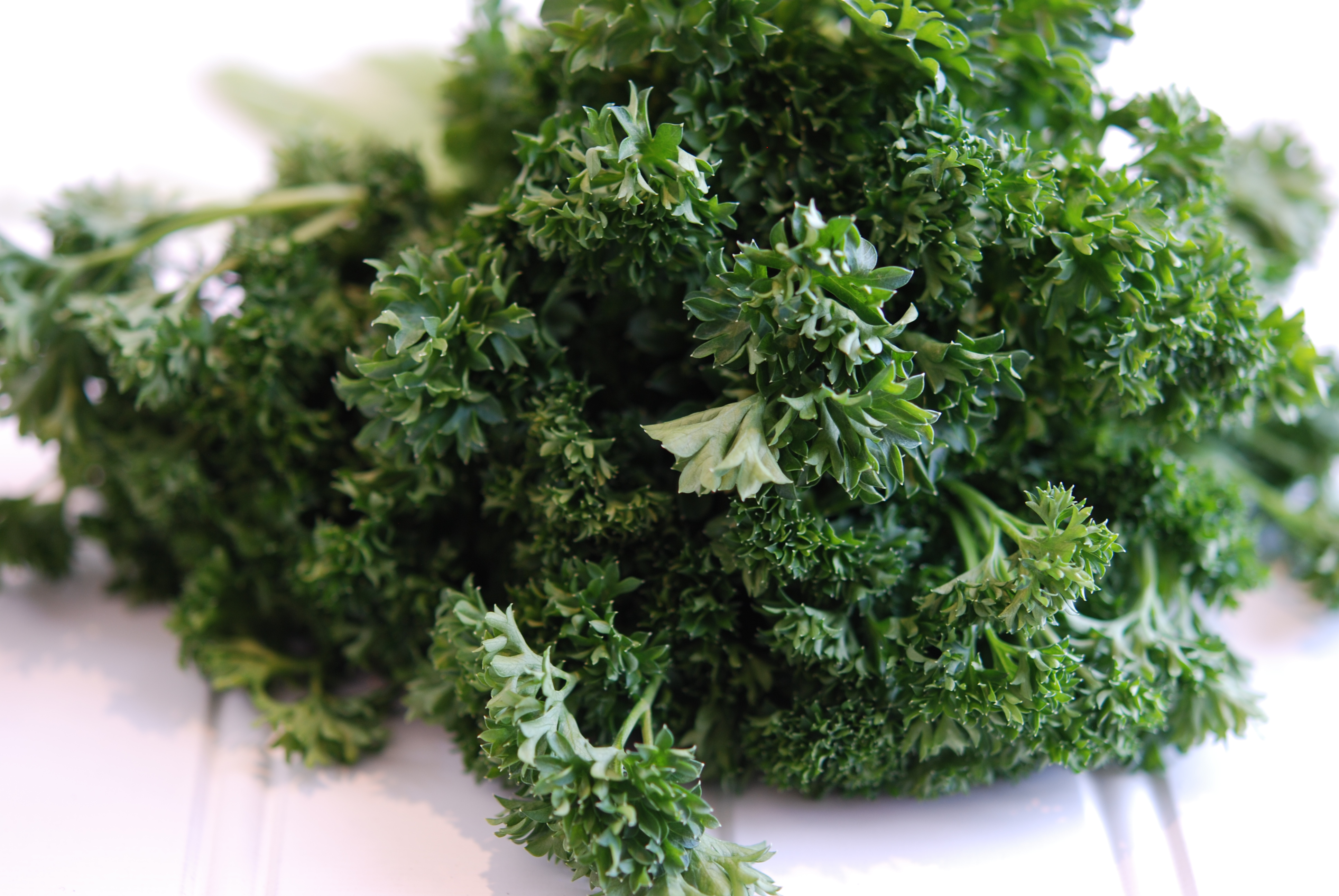
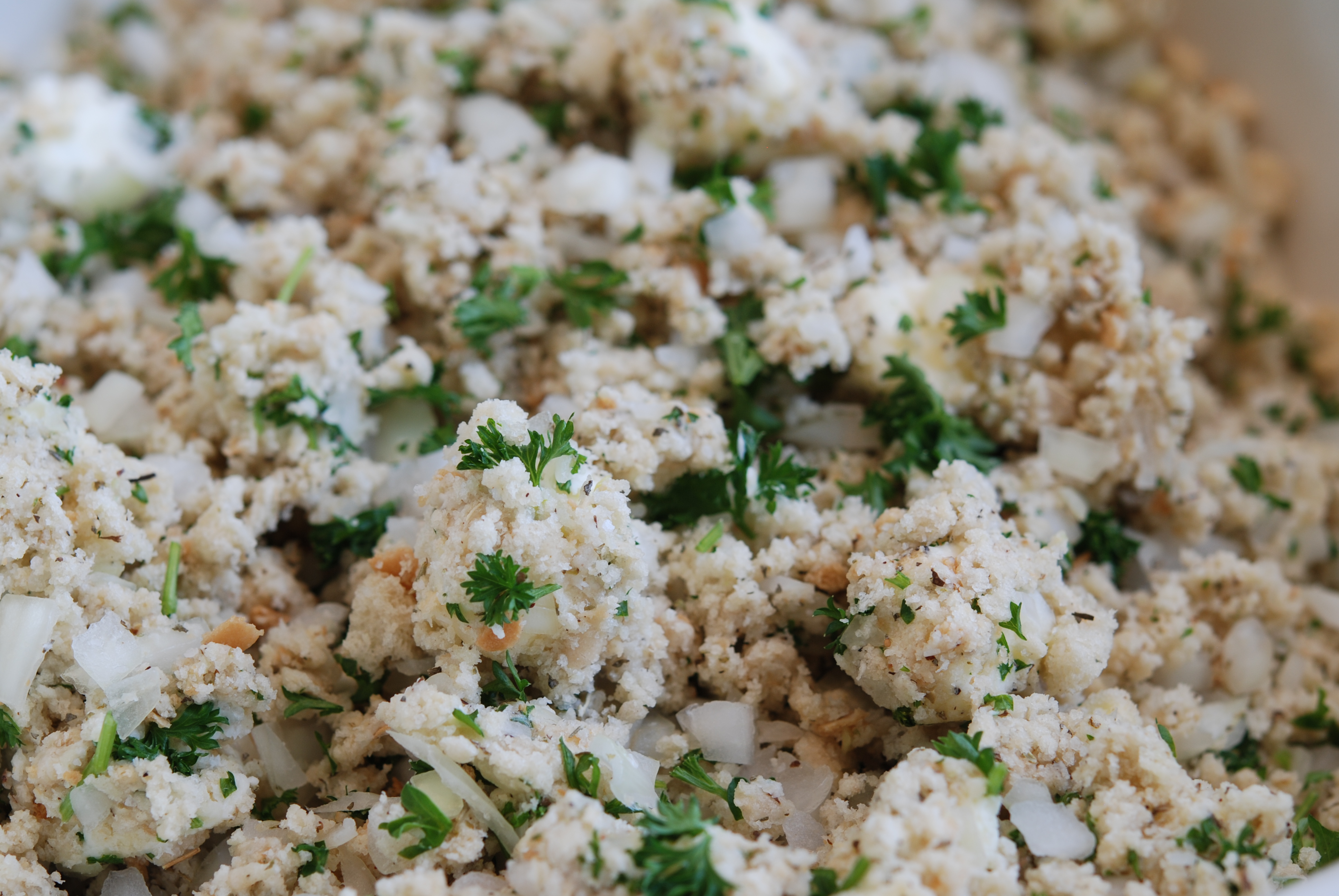
DSC_0664 DSC_0666 DSC_0663There are many ways to cook a turkey but in our Irish home there is only one way to make stuffing…my mother-in-law’s way!

As a young bride, I tried for years {ten to be exact} to impress my lovely Irish husband with my stuffing recipes on Thanksgiving and Christmas day.

Despite his appreciation of my attempts, every year I knew that I had not achieved what I was hoping for…my husband’s nod of culinary approval. Somehow my mother-in-law’s recipe was always better than mine.

Finally, one year, I threw in the towel and quit trying. I called Mama, my husband’s mother, and asked her to teach me how to make her recipe.

I still remember the delight I felt when, at long last, my husband tasted “my stuffing” and declared, “It’s as good as my mum’s!”  So chuffed I was to have finally succeeded. That year, and every year since, I have told this story to everyone at our holiday table.

Today I share it, the story and the recipe, with you. Mama McGuire’s Irish Stuffing is so ridiculously simple…and so ridiculously good. I am sure you will thank me once you’ve tried it. Enjoy!

Mama McGuire’s Irish Stuffing

Serves Eight

Ingredients

32oz batch loaf bread (white sliced pan)

16 tablespoons diced cold butter

1 cup chopped parsley

2 tablespoons Italian herbs

3 small onions, chopped finely

Salt and pepper to taste

Directions

1. Pulse the bread finely in a food processor and pour into a large bowl.

2. Stir in the chopped onion, parsley, and Italian herbs.

3. With your fingertips, blend in the diced cold butter. Mix until it resembles coarse breadcrumbs.

4. Season with salt and pepper to taste.

5. Refrigerate until ready to stuff into turkey.

Read Full Post »

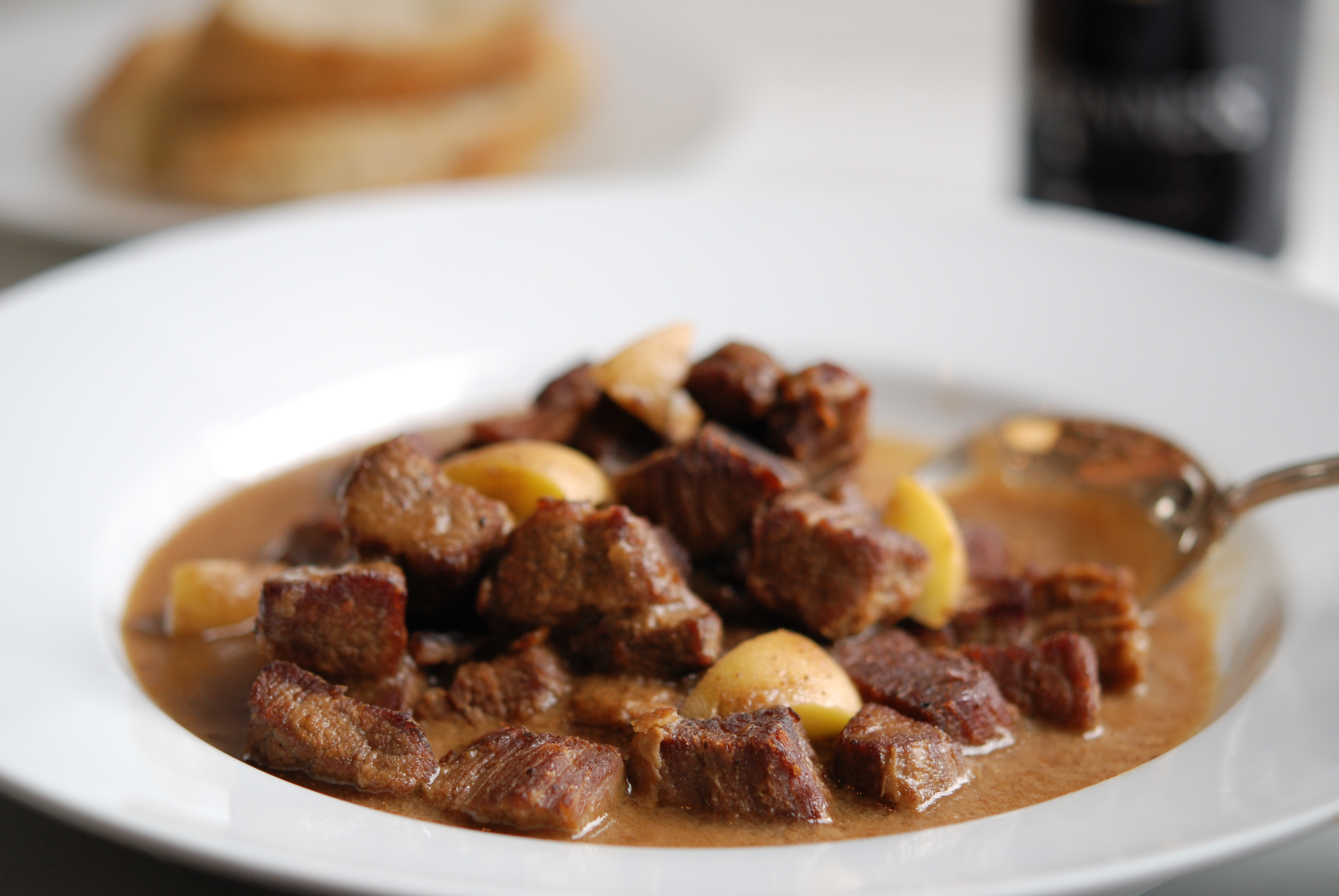
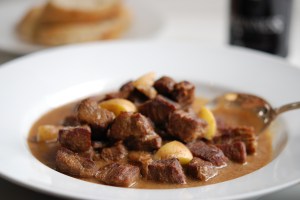
Guinness Beef StewWell, it finally happened…

After four long weeks on the road, we finally found GOOD food. I mean REALLY good food.

Up till now we’ve been subsisting on fast-food, chain-food, and any and all kinds of rubbish-food. It’s been awful and we’ve become increasingly crankier by the day. The final straw came this morning, when we decided not to visit Yellowstone National Park because the traffic jams and crowds felt too overwhelming. You could say we didn’t have the stomach for it.

We needed real food…and soon…but where?

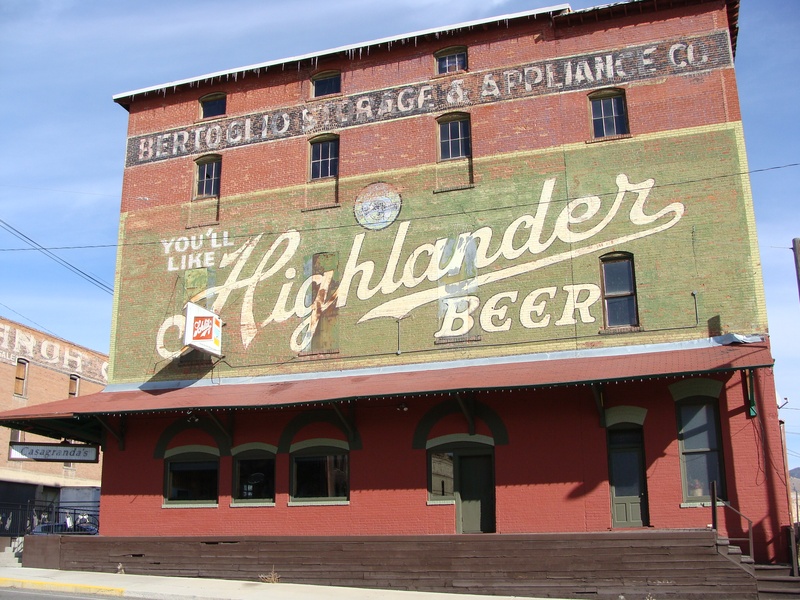
Heading into Butte, Montana, last night, I felt certain we weren’t going to find what we were looking for…sustenance. Aging headframes, derelict buildings (complete with ghost signs), and a 90-foot statue of the Virgin Mary glowing eerily in the distance doesn’t exactly scream, “Good-food served here!”.  But in Butte, the uptown is the downtown, the high is the low, and the locals know there is plenty of great-food ~ from Irish Pasties to creamy Guinness Stew ~ ready for the eating.

Known as “The Richest Hill on Earth”, “The Sodom of the West”, “Ireland’s Fifth Province” and, more recently, the town that is “A Mile High and a Mile Deep”, Butte was once a rich mining community filled with immigrants from around the world, particularly Ireland.

Butte Montana MinersThe first to arrive hailed from Mayo, Donegal and Cork, especially, the Beara Peninsula. By the early 1900s, Irish immigrants, mostly Catholic, made up one quarter of the population. Remarkably, by the turn of the last century, Butte was the most Irish-populated city in America. Almost every able man made his living in the mines, including Marcus Daly of Ballyjamesduff, Co. Cavan, who was known the world over as the Copper King. As co-owner of the Anaconda Mine, Daly was second in American wealth only to Rockefeller.

Though they came for the chance to strike it rich, the Irish never truly left Ireland behind. In Butte, they arrived and promptly built neighbourhoods with names like Finntown, Corktown, and Dublin Gulch. They kept their cultural and ethnic traditions alive through language, celebration and food.

It is the food, in particular, that interests me. As you recall at the start of this post I was lamenting our need for good-food on this road trip. To find it…and then have it be Irish-food…in the middle of Montana…is, well… fascinating. The meal we ate last night at Casagranda’s Steakhouse was as good as any I’ve ever had…and that’s not just hungry road trip talk!  Casagranda’s is known for its perfectly seasoned, hand cut, Rocky Mountain grown beef {which by the way is delicious} but it was the Guinness Beef Stew that bowled me over. Creamy, rich, hearty, and ever-so-slightly sweet, this stew is not like any other I have ever tasted.

The Bertoglio Building, Home of Casagranda’s Steakhouse

I spoke with Lisa Casagranda Randall, co-owner of Casagranda’s Steakhouse, by phone to ask her for a copy of the recipe and to ask if, by chance, she had Irish roots running through her family. Her last name sounds Italian but it turns out Lisa’s great grandparents were both from Ireland, Cork and Donegal to be exact. They came to Montana for work and ended up building a life. Lisa spent many of her summers in Butte visiting family and eventually moved permanently to the area. With her sister Carrie Casagranda Leary, Casagranda’s was born 11 years ago. The Guinness Stew I had last night originally started out as an appetizer served on bread. People liked it so much however, that it eventually became a permanent dish on the menu, with bread served on the side. And though she hasn’t had the chance to visit herself, Lisa hopes one day she’ll make it back to the home of her ancestors across the sea.

Truth be told, from what I saw of Butte, Lisa is living as close to Ireland as someone in America can. It’s very hard to put into words but Butte feels more authentically Irish than any place I’ve been: it’s not like Boston or New York or Chicago. I, for one, hope to make it back soon: perhaps for St. Patrick’s Day 2014. It would be great craic (fun) to see how they do it there. In the mean time, if you are on a road trip and going through Montana, be sure to call in to Butte. Not only will you get a delicious meal at Casagranda’s but also you will find lots of Irish charm, history, and culture at every turn.

Casagranda’s Steakhouse Guinness Beef Stew

Serves 6 to 8

Ingredients

900g/2 lbs stewing beef, trimmed of fat and cut into 2” (bite-size) pieces

50ml/¼ cup canola oil

2oz/¼ cup all-purpose flour

Salt and pepper to taste

1 can Guinness Draught (not Guinness Stout, which is too bitter)

500ml/2 cups beef broth

3 tablespoons Dijon mustard

1oz/ ¼ cup packed dark brown sugar

80ml/ 1/3 cup red wine vinegar

Directions

1. Spread beef evenly across a sheet pan.

2. Season with salt and pepper to taste. Sift flour over both sides of meat and evenly coat.

3.  Heat canola oil in a cast iron casserole dish until very hot.

4. Add the floured and seasoned beef and sear until golden brown on all sides.

5. Combine Guinness, stock, mustard, sugar and vinegar and mix well. Pour over beef and bring to a rapid boil.

6. Reduce heat to low and simmer until meat is very tender.

7. Serve on its own or “traditional style” over mashed potatoes.


Related Articles:

Great Photos and a list of things to do in Butte at: http://theroadtriphound.com/2013/07/29/when-an-uptown-goes-underground-keeping-the-history-alive-in-butte-montana/

An Irish Times article about Butte at: http://www.ktvq.com/news/butte-most-irish-town-in-america-/#_

A road trip guide to Butte at http://biggestballofstring.wordpress.com/2013/01/09/36w-jan-9-butte-montana/

More great photos and information about Butte at: http://www.ramonaflightner.com/2012/09/04/butte-montana/

Butte’s Irish Language Immersion Programme at http://uhblog.ulsterheritage.com/2010/04/loading.html

An Irish woman’s view of Butte at http://missoulian.com/news/local/an-irish-woman-s-story-of-chance-leads-to-butte/article_59bef3f6-8eb7-11e2-b714-001a4bcf887a.html

The life and death of an Irish copper heiress at http://observer.com/2013/09/odd-but-not-out-of-it-eccentric-heiress-huguette-clark-had-her-wits-about-her-says-new-book/

Marcus Daly at http://dalymansion.org/history/mrdaly.php

NY Times Death Notice for Marcus Daly at http://query.nytimes.com/mem/archive-free/pdf?res=F10F1FF73B5E14728FDDAA0994D9415B808CF1D3

Butte Today at http://www.mainstreetbutte.org

Interior designer, Bob Richter visits and reports on Butte for the Huffington Post at http://www.huffingtonpost.com/bob-richter/rich-in-history-land-and-_b_4095295.html

Timothy Egan writes about his recent trip to Butte for The New York Times at http://opinionator.blogs.nytimes.com/2008/03/12/true-irish/?_r=0

Rants and Reflections on Butte at http://fl250.blogspot.com/2006/06/butte-montana.html

Tried and True Recipes from Three Sisters from Butte at http://tseas.files.wordpress.com/2012/01/tried-and-true-recipes-of-butte-montana.pdf

Read Full Post »

IMG_4192As we round out week three on our epic road trip across North-West America, our foursome has become a threesome. My wonderfully gifted, beautiful, sweet, funny, eldest daughter is staying at Concordia for an extra immersion experience. She loves languages and has proficiency in three of them, including Irish. We’ll pick her up in less than ten days and return home to Ireland, but it was with a heavy heart that I kissed her today and said good-bye.

She’s growing up fast…this baby girl of mine…faster than I expected. Not yet a real teen, she is looking beyond the safety of our home and wondering about the world around her.  Secondary school, boys, make up, fashion, parties, dating…I can hardly believe it’s time for us to address these issues in depth. Heck, what I mean to say is it’s hard to believe we’re actually having to LIVE these issues in depth. We’ve talked about them plenty. The dress rehearsal is over and the real show is just beginning. Where has the time gone?

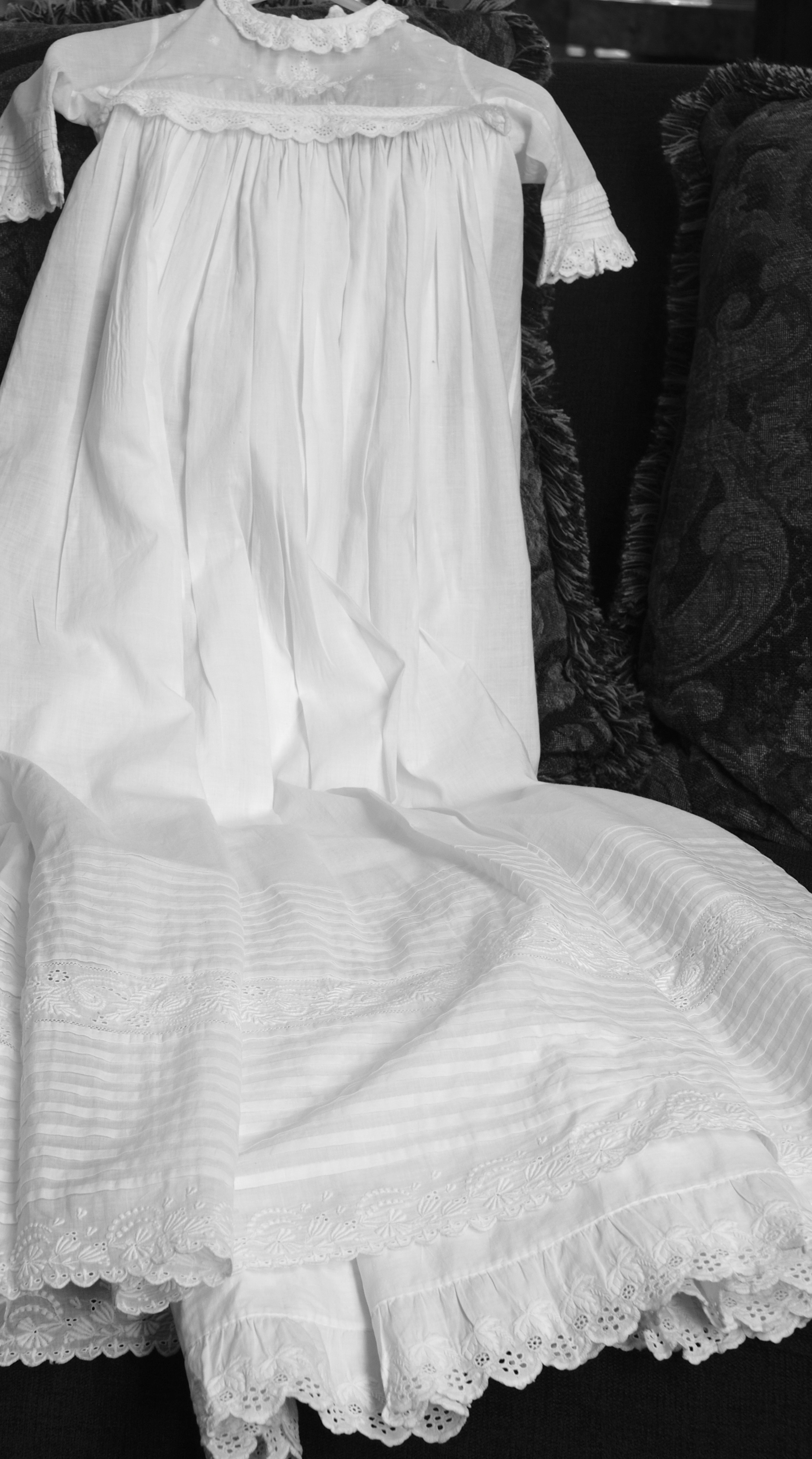
DSC_0100I remember her Baptism day like it was just yesterday. She wasn’t even a month old. I was doing up the pearl buttons on the back of her Irish Christening gown, while my husband held her to his chest. “Why are you crying?”, he asked. “Are you ok?” My lovely husband…so concerned and so bewildered at the same time. “No, Love. Don’t you know? This is the first of her five white dresses.”, I choked out between sobs. “Her what?!”

Her five white dresses.

Growing up a Catholic girl, I can define my life in a series of dresses…all of them white. There’s the Baptism gown, followed by the Communion, Confirmation, graduation, and, finally, the wedding gown. On that special day so many years ago, I realised that our daughter’s Baptism day was the beginning of the end. The first time I understood that precious babies, placed carefully in our arms, are only ours on loan for a {brief} period of time. These amazing children we so desperately want and love are ours by the grace of God and we don’t get to keep them. He gives them to us and then demands we let them go.

We’re only two dresses into her life right now, but I am already struggling with the idea of letting go. Three dresses remain. Most likely she’ll leave our Irish home long before she dons the final dress. It makes me sad and I can hardly bear thinking about it. But, I must…for her sake…and for mine.

Little by little, I let the sadness escape. I liken it to fiddling with a balloon. Because you don’t want to let all the air out at once, you pull back on the sides of the mouth piece and let a little out at a time.  Today was one of those times. We hugged. We kissed. I imparted a few gems of wisdom and then turned completely on my heels {with a glance or two back}, got in the car, waved, and drove away. Through tears, I could see her in my rear view mirror, standing in the gravel car park, waving back.

IMG_4142The last few weeks have been tough. Four of us, strong personalities, in a car traveling the highways of North-West America. Those roads are pretty dull, yet our experience has been anything but. We’ve argued. We’ve cried. We’ve shouted. We’ve smelled bad. We’ve been sick. Through it all…we’ve been together. I know it has not always been easy but it has been special. There’s still several hundred miles ahead of us. I don’t have to wonder any more whether this adventure has been worth it. I already know that it has.

Read Full Post »

Gathering round the evening campfire.

Gathering round the evening campfire.

It has been several weeks since I last blogged but you’ll understand when I explain that our traveling four-some has been deep in foreign-language country.

Technically we were in north-west Minnesota, at a camp run by Concordia Language Villages, but the immersion of the camp was so deep that we might as well have been abroad. From food to spoken word, we were in another world.

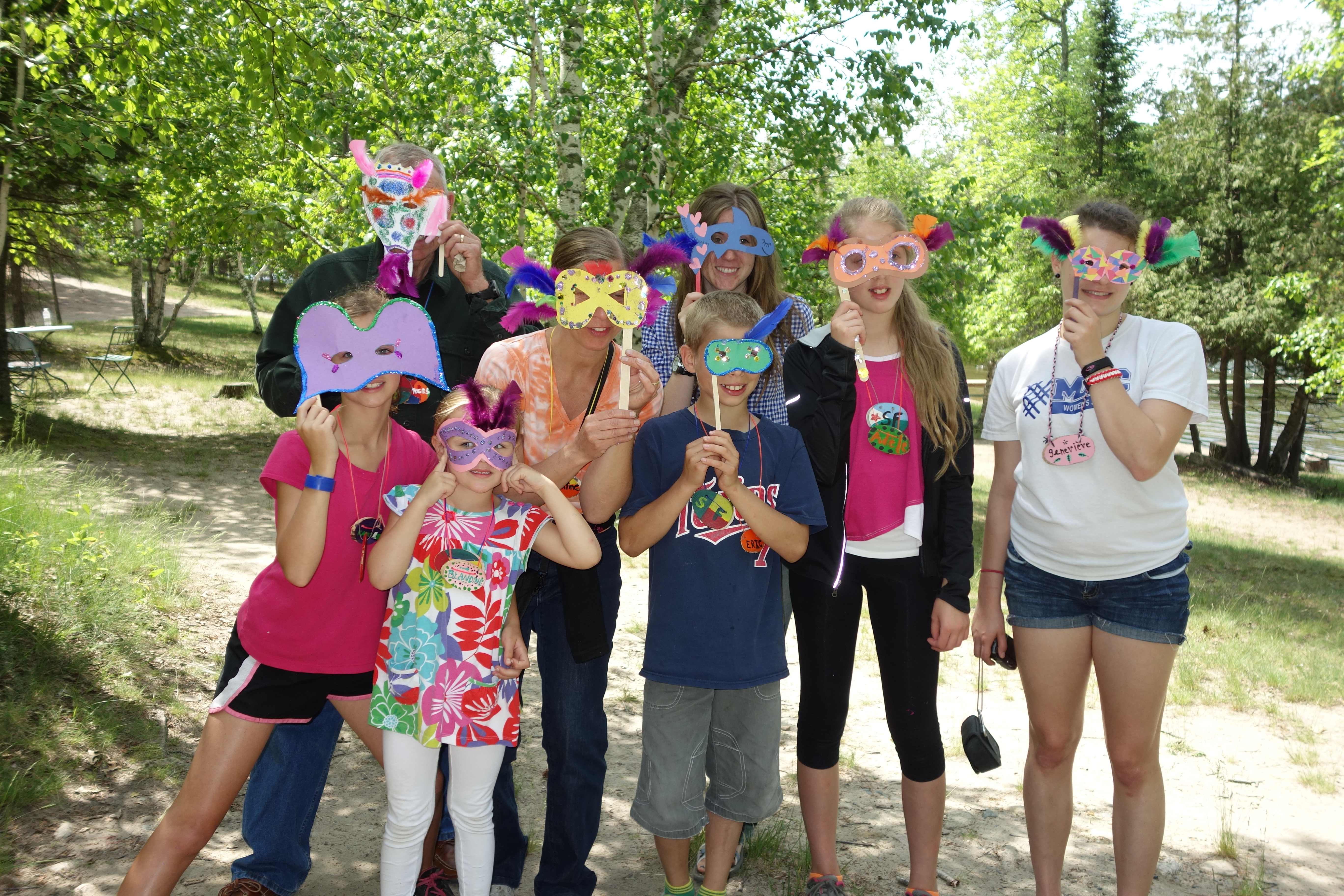
Language learning through crafts.

Language learning through crafts.

So how was it? It was wonderful. Interestingly, each of us had a different experience. The two girls seemed to thrive because they did what all kids do…they just got out there and spent time with their peers. With no real effort, their language proficiency grew with each passing day.  And God bless my dad, after three years of taking a foreign language at his local university, he had no problems whatsoever with the cultural shift. He found the adult group talks about politics, religion, and social issues a very pleasant and invigorating way to test his skills. Getting sick mid-way through the camp didn’t even set him back much. As for me…I felt like I was on a roller coaster ride of exhaustion and breakthroughs the entire time. For a few days, I was fine and then, suddenly, I was unable to think or speak. Our camp administrator said this was a perfectly normal adult reaction to full language immersion. In other words, “Don’t give up, Love.”  Sure enough, about every three days, I hit a wall and then, after a good night sleep, was able to translate words in my head and speak them with relative ease.

Camp counselors hamming it up.

Camp counselors hamming it up.

If you’re not familiar with Concordia Language Villages, here’s the scoop: Concordia is the premiere language and cultural immersion program in the United States. For 50 years they have helped learners develop a deeper appreciation and skill base for going out into the non-English-speaking cultures of the world. Concordia offers courses in 15 different languages and uses skits, songs, meals, games, activities, class sessions and general conversation as their teaching methods. From the minute you check into a camp, you feel as though you have left the United States and entered into the country whose language you wish to learn. There are programs for youths, adults, and families, and classes are available year round.

Remarkably, few people have heard of Concordia. Case in point, while we were staying in Detroit Lakes we mentioned to people that we were on our way to a foreign immersion camp nearby. No one we spoke with knew there was a clutch of foreign language schools just a few hours away! Such a pity.

Meringues (14)If you’re interested in a foreign language immersion experience that isn’t in the Gaeltacht (the Irish-speaking region of Ireland), perhaps Concordia Language Villages is the place for you. We certainly enjoyed it.

And, speaking of things this Irish family enjoys…today I am passing along this easy-to-make recipe for mini-meringues. They keep well for weeks in an airtight container or ziplock bag and are a great snack in the kid’s lunch boxes or for when you want a little something sweet with a cuppa. They even make an adorable pudding (dessert) when served sandwich-style with a dollop of cream, caramel or jam between two of them. Mmmmhhh….wish we’d brought some along for this road trip. Enjoy!

Mini-Meringues

Makes 24

Ingredients

2 egg whites, room temperature

½ cup/4oz/100g caster sugar (granulated sugar)

Directions

1. Preheat oven to 225°F/110°C. Line two baking sheets with greaseproof paper (parchment paper).

2. In a spotlessly clean bowl, whisk the egg whites and sugar with an electric mixer until it forms stiff peaks. (You know you’ve whipped it enough when the mixture holds a stiff  a peak that looks like shaving foam.)

3. Using two teaspoons, spoon 24 little blobs on the greaseproof paper. Bake for 40 minutes or until crisp. Turn the oven off and leave the meringues in the oven for another 5 minutes, if you like your meringues crispy on the outside and chewy on the inside, or 20 minutes, if you like them crispy inside and out.

4. When completely cool, put in an airtight container. Meringues will keep for weeks.

Read Full Post »

Photo Credit: Wikimedia.org

Photo Credit: Wikimedia.org

Guinness: rich, gorgeous, creamy, the national drink of Ireland, available in over 100 countries, dark ruby-red (not black), better served in Ireland than anywhere else in the world…oh, how I’ve tried to like Guinness. Sadly, it’s just never happened. In twenty-plus years of living in Ireland, I have never enjoyed a pint or a glass of The Black Stuff.

But before you break out the tiny violins and tell me to stop whinging (whining), there is one exception to this no Guinness life. Hand me a slice of dark, rich, sweet Guinness bread and I’ll ask you for seconds before you’ve had a chance to slice off a piece for yourself and say, “Cheers!”

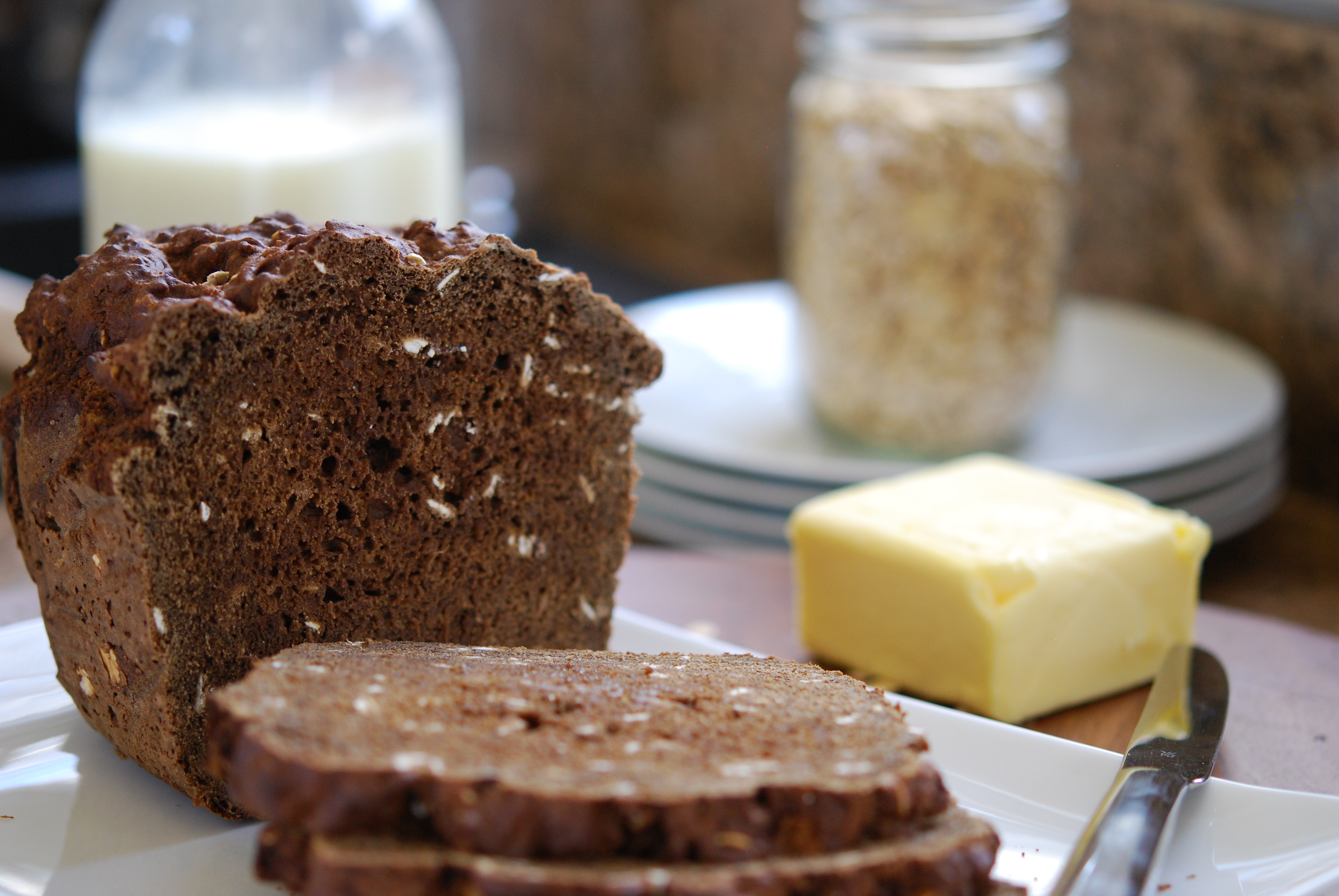
Mmmmm…Guinness Bread. It’s dense and packed with flavour and from the very first time I tasted it I was hooked.

DSC_0376And here’s the good news for you, my Dear Reader: you don’t have to live in Ireland to get a bit of this traditional Irish treat for yourself. And, what’s even better, is you don’t have to spend a day in the kitchen making it. Guinness bread is a “quick bread”, which means there’s no rising time. Just like soda bread or brown bread, Guinness bread can be mixed and baked in one hour.

It’s the perfect side to a hearty stew, a thick homemade vegetable soup or a toasted cheese and tomato sambo (sandwich). Sure, it’s even a great elevenses (morning snack) when served with a slathering of {Kerrygold} butter and a cup of tea.

The recipe I use comes from The Guinness Storehouse. Enjoy!

Guinness Bread

Makes One Loaf

Ingredients

4 cups/600g wholemeal flour

1 cup/150g self-raising flour

1/2 cup/75g porridge oats (rolled oats)

2 1/2 teaspoons bread soda (baking soda)

1 teaspoon salt

2 tablespoons brown sugar (optional)

16oz/500ml buttermilk

6oz/200ml treacle (black strap molasses, if outside Ireland)

1 cup/1/2 pint Guinness

Directions

1. Pre-heat oven to 170°C/325°F. Lightly oil a bread pan and line with parchment paper.

2. Mix flours together with the oats, bread soda, salt and brown sugar. Be sure to smooth out any lumps with your fingers.

3. Make a well in the centre and add buttermilk, treacle and Guinness.

4. Mix together until all flour is incorporated: the consistency will be sloppy without being too wet.

5. Bake for 45 minutes or until done. Remove from bread pan, tap the bottom to check for doneness. If it sounds hollow, the bread is fully cooked. If not, place back in the oven and bake for another 10 minutes or so.

Related Articles:

Irish Beer Guide at http://www.today.com/id/23612523/ns/today-food/t/stout-ale-or-porter-essential-irish-beer-guide/

Guinness Cocktails at: http://blogs.browardpalmbeach.com/cleanplatecharlie/2013/03/guinness_cocktails_beginners_guide.php

Grilled Ham & Cheese Sandwich at http://www.theblackpeppercorn.com/2012/04/grilled-ham-and-cheese-on-guinness-bread/

Frequently Asked Guinness Questions at: http://www.guinness.com/en-row/faqs.html

Frothy Facts About Guinness at: http://www.curiousread.com/2010/03/10-frothy-facts-about-guinness-st.html

Read Full Post »

DSC_0346In our home there is almost always a loaf of scratch-made bread in the bread box.

It’s not the fancy white loaf that’s taken hours to make and been left to rise in a warm spot. No. Our bread is the rich, traditional Irish kind that can be whipped up quickly, in one bowl, and takes about an hour to bake. It’s the one that’s always served alongside those delicious wholesome vegetable-based soups found in cafes and pubs around the country and the very same one my lovely mother-in-law would give her twelve children nearly every day for tea time (dinner), before the main course.

I go back and forth baking Soda bread , Brown bread {the recipe below), and a Multiseed brown bread {promise to post soon}. Initially, I only made soda bread because that’s what my mother-in-law taught me to make. Then I added the other two breads because of the extra ingredients {oat groats, bran, and wheat germ in today’s Brown bread and oat groats, bran, wheat germ, sesame, poppy, pumpkin and sunflower seeds in the Multiseed bread} which help to make it even more healthy. Now, it’s a weekly toss up as to what’s in the bread box.

DSC_0357Whichever you try, rest assured your home will smell glorious for the effort. When you take the loaf from the oven, you and your family will want a slice while it’s still hot. And when slathered in butter, and maybe even some homemade jam, you’ll enjoy the nutty flavour, crumbly texture that is only found in traditional Irish bread. Enjoy!

Irish Brown Bread

Makes One Loaf

Ingredients

1 1/2 cups/200g/6oz self-raising flour

2 1/4 cups/300g/11oz coarse brown flour

1/3 cup/2 handfuls bran

1/4 cup/1 handful wheat germ

1/4 cup/2oz oat groats, pan toasted

2 heaped teaspoons baking powder

1 level teaspoon salt

2-3 cups/600-900ml/1-1 1/2 pints buttermilk

Directions

1. Pre-heat oven to 240°C/450°F/gas mark 9. Lightly oil a loaf tin on bottom and all sides and line with a sheet of parchment paper.

2. Mix all the dry ingredients together in a large bowl.

3. Add enough of the buttermilk to give a moist but not sloppy mixture.

4. Place in a loaf tin and bake for twenty minutes. Reduce oven temperature to 150C/300F/gas mark 2 and bake for an additional hour.

5. Ease bread from loaf tin. Carefully turn it over and tap to see if it sounds hollow. A hollow sound means the bread is fully cooked. If not, return it to the oven for another 10-15 minutes. Do not put it back into the loaf tin, just put it right-side up, directly on the shelf in the oven.

Related articles

Read Full Post »

Bread baking has long been part of Ireland’s culinary heritage.  The earliest breads were little more than thin oatcakes baked over the fire on an iron plate or placed directly on embers. In the mid-1800’s bicarbonate of soda (baking soda) was introduced and the birth of soda bread, as it is known in Ireland today, was born.

My first introduction to Brown Soda Bread was at the kitchen table of my mother-in-law.  Every week she made a loaf from scratch.  She worked quickly and efficiently, as only a woman who raised twelve children can do, and when the bread came out of the oven the smell was just delicious!

Both nourishing and comforting, Irish Soda Bread is perfect in the morning for breakfast, as part of a sandwich at lunchtime or served with a hearty homemade soup or a green salad fresh from the garden in the evening.

Brown Soda Bread

Makes One Loaf

225g self raising flour

225g extra coarse wholemeal

1 teaspoon bicarbonate of soda

1 teaspoon salt

about 450ml buttermilk

Directions

1.  Preheat the oven to 180C. Put a little vegetable oil into a bread tin and put the tin into the oven to warm.  When the oil is warm, use a pastry brush to get it all over the inside of the tin.  Set aside.

2.  Sieve the two flours, the soda and salt in a large bowl.

3.  Make a well in the centre and pour in most of the buttermilk.

4.  Using a wooden spoon or your hand, stir the liquid into the flour.  The dough should be soft but not sticky.  If needed, add more buttermilk to get the right consistency.

5.  Put the mixture into the bread tin and bake for one hour in the center of the oven.  Ease the loaf from the tin and tap the bottom.  If it sounds hollow when tapped it is cooked.  If not, put it back into the oven for another 5-10 minutes.  There’s no need to put the loaf into the bread tin for this, just place it right on the rack in the oven.

6.  When baked completely, cool on a wire rack.

Read Full Post »

« Newer Posts