Feeds:
Posts
Comments

Posts Tagged ‘Irish Living’

In our Irish home we believe there’s something magical about receiving a gift at Christmas that has been lovingly made by someone you know. Which is why we make edible handmade treats every year to give close friends, neighbours and teachers.

DSC_0005

These “Naughty & Nice” sweet treats are sure to make our friends smile this year (clearly the Irish Cream Liqueur is for adults only!). The granola recipe, originally posted here at In an Irish Home, was modified slightly: we added several handfuls of dried red cranberries to give it a real Christmassy-look. The Irish Cream Liqueur recipe, passed down by my father-in-law, Dan McGuire, is amazingly good and may be found at the end of this post.

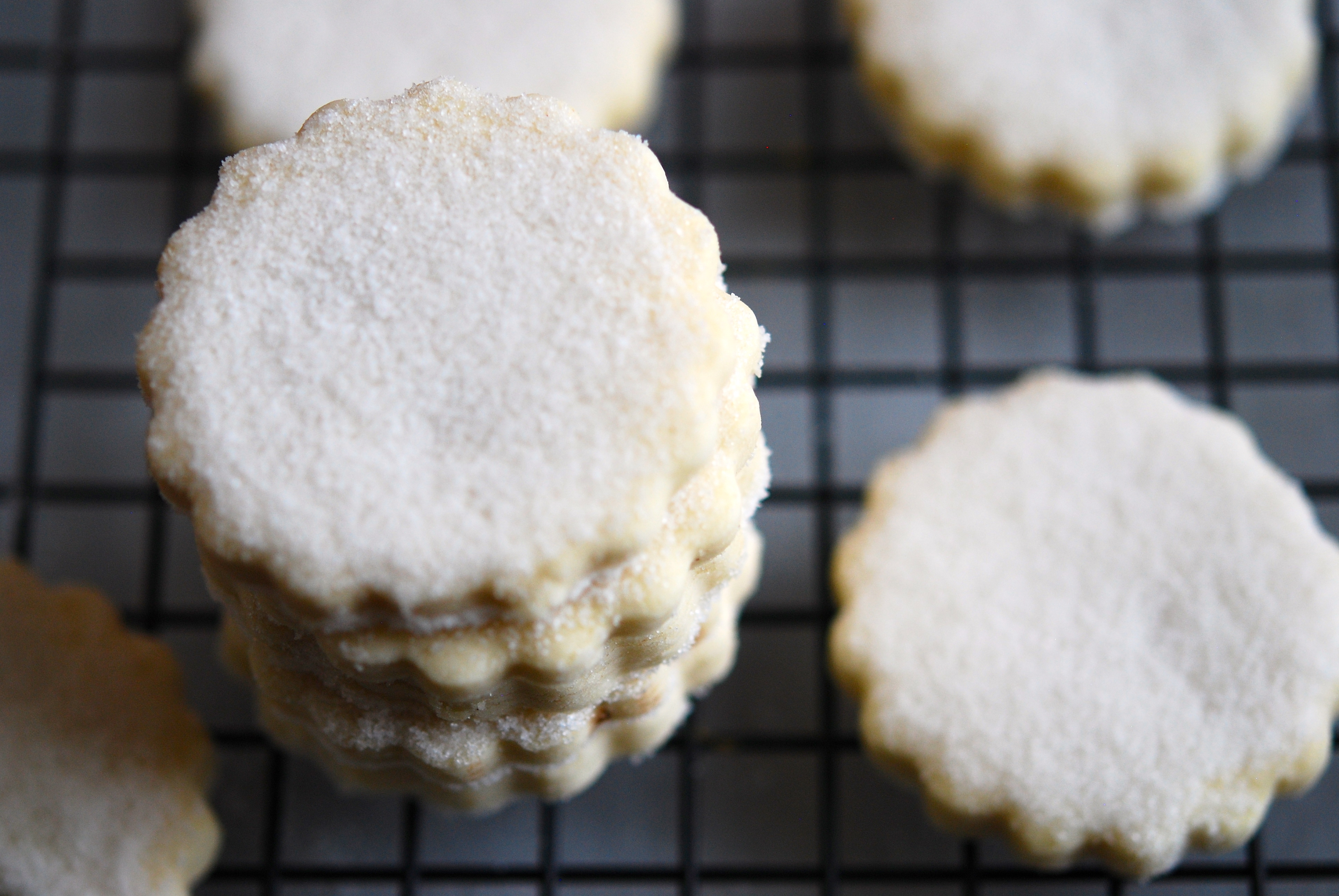
And who doesn’t love an authentic Irish Shortbread Biscuit? With the addition of some gorgeous crystalised ginger, they’re perfect this time of year with a freshly brewed cup of tea. The recipe may be found here.

DSC_0410

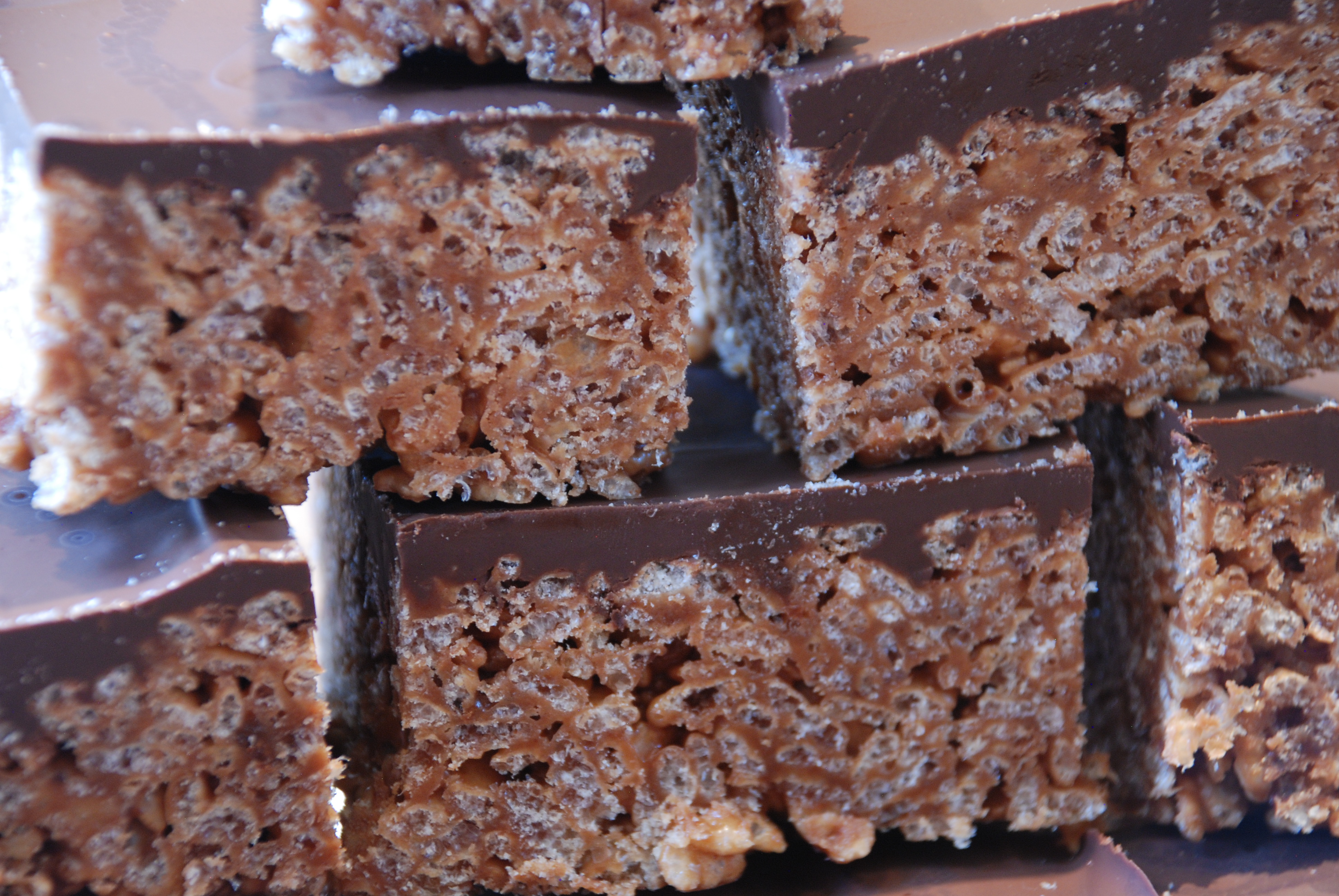
Once tasted, I dare anyone to say they don’t love these Irish Mars Bars treats! Not only are they incredibly “moreish”, they are super easy to make. Even better, there’s no baking required. The recipe, posted at In an Irish Home, may be found here.

DSC_0048

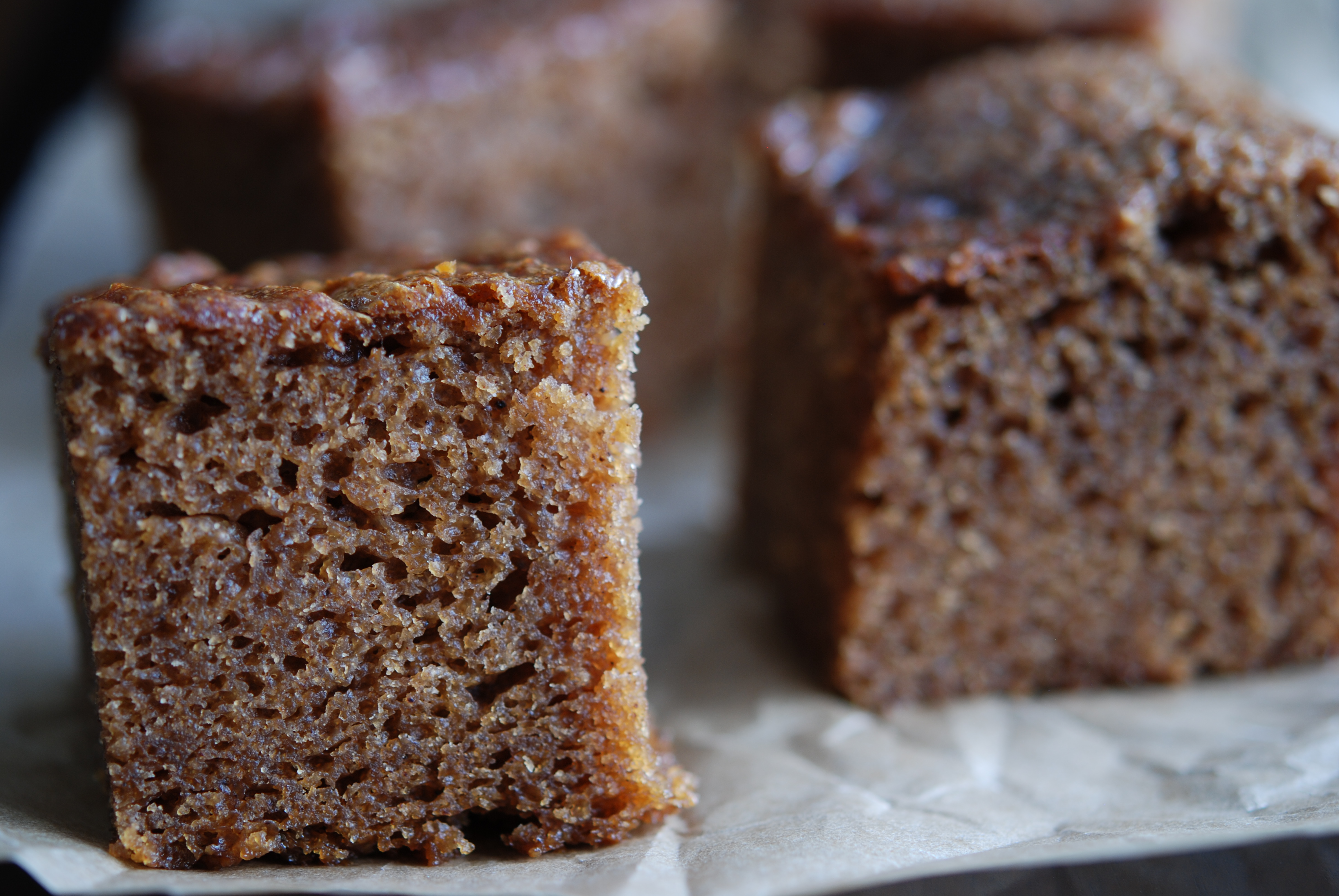
Guinness Gingerbread is something we can’t get enough of in our Irish home. The ginger, cinnamon, cloves and nutmeg really smell like Christmas. Wrapped simply in some parchment paper and tied with a festive red bow, this is the perfect Irish edible gift.

DSC_0010

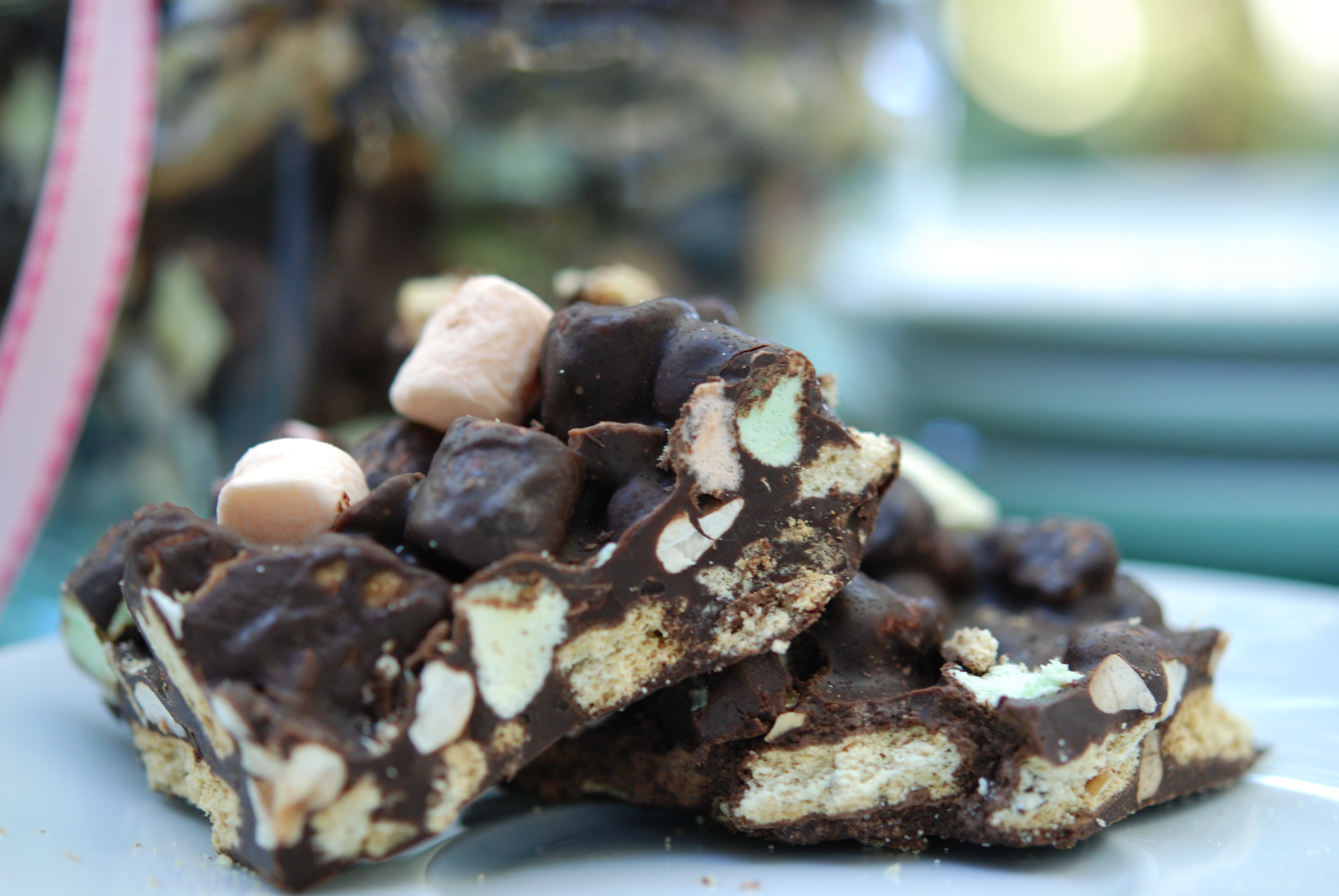
And finally, these Rocky Road Biscuits, which I first shared with you two years ago, are totally delicious and give off a real Christmas vibe if you grate in a bit of orange zest and top with a drizzle of melted white chocolate. They are an Irish childhood favourite and sure to be enjoyed by whomever you make them for.

Now, with less than a week to go before Christmas day, we wish you and your loved ones some very happy times in the kitchen ~ slan abhaile!

Dan McGuire’s Irish Cream Liqueur

Ingredients

14oz condensed milk

14oz evaporated milk

1 1/2 teaspoon coffee essence (or 1 teaspoon instant espresso)

1 teaspoon glycerine

6oz/3/4 cup Irish whiskey

Directions

1. Mix all the above ingredients in a large measuring cup and stir with a small whisk until well blended.

2. Put into clean, sterilised, glass jars, close and store in the fridge.

Related Articles:

Darina Allen’s delicious homemade edible gift ideas here.

Donal Skehan’s blog post on edible Christmas gives may be read here.

This Irish Times article on edible gifts from 2011 is still very useful.

An Edible Ireland blogpost on Chocolate Bark with Almonds & Candied Bacon was reviewed at I Can Has Cook? These are two great Irish food blogs!

Ireland’s Catherine Fulvio, of Ballyknocken House, offers this Almond Liqueur recipe and delicious brownie recipe to her readers this year.

Check out those free, downloadable, gifts tags here and here and here to use with your homemade edible gifts.


Read Full Post »

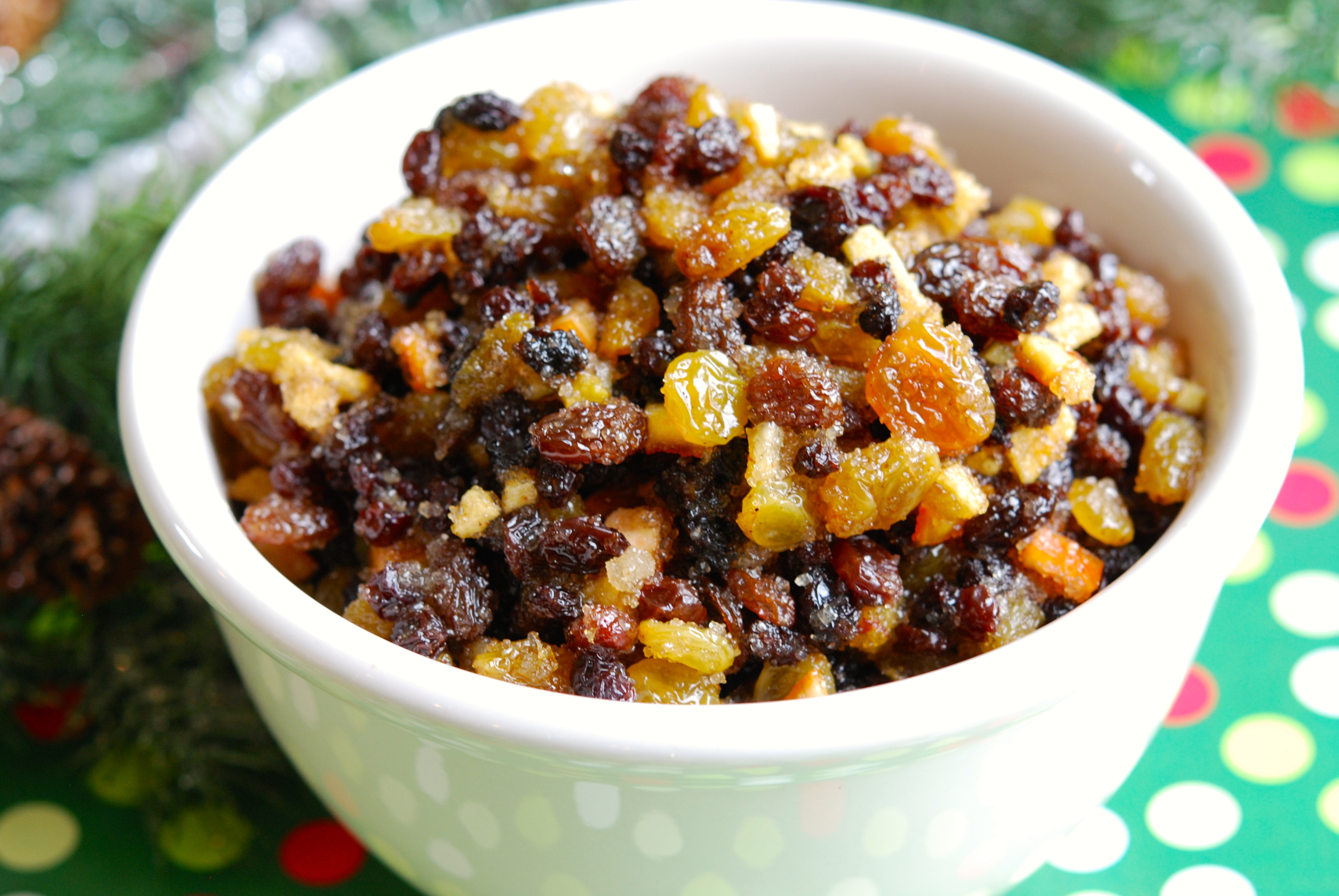
Mincemeat pies. If there’s anything that says Christmas in our Irish home it is these buttery-rich, sweet, MEAT-less wonders. Yes…it is somewhat confusing…meat is right there in the name…but these lovely treats are absolutely, positively, meat free. I know this because I’ve eaten my fair share! How could I not? Bite-sized deliciousness served on a plate with a dollop of boozy cream…who could resist?

A quick Google search on the history of mincemeat pies shows that they were once, a long time ago, an entirely different dish. Around since the 11th century, mince pies first became popular in British kitchens in the 1700s. Back then there was chopped beef or mutton in them, along with dried fruit and warm spices like cinnamon, nutmeg and cloves. Rich and savoury, they were a main course dish and not an after dinner pudding or tea time treat.

It wasn’t until the 18th century, when “cheap sugar arrived from slave plantations in the West Indies”, that the mince pie we know and love today was created. Sweet trumped meat and now the only animal protein you’ll find in a modern mince pie is beef suet, a raw fat found around the kidneys and joints of a cow or mutton ~ though increasingly even it is being left out by bakers who are sensitive to animal products in their diet.

Irish Mincemeat


In Ireland, mince pies make their appearance in shops, bakeries, and holiday markets in early November. Truth be told, my favourite store-bought pies come from Avoca HandweaversButler’s Pantry and Cavistons in Glasthule, though Lidl, Aldi and Dunnes make nice ones too. Very few of my Irish friends go to the trouble of making them. Even my lovely sister-in-law, Rosie, spends her pre-Christmas time in the kitchen making her family-famous Christmas pudding, rather than making mincemeat pies.

But for those die-hard Christmas types like myself, it’s really a straight-forward, and dare I say “fun”, process. The only two things you really must do to ensure the end result is worth the effort is: 1) make your own candied peel (easy-peasy); and 2) make the mincemeat far enough in advance (two to six weeks is about right) to allow the alcohol, fruit, and sugar mixture to fully mature.

Mincemeat pies are best served out-of-the-oven-warm, with a generous spoon of freshly whipped, and dare I say “whiskey-laced”, cream, but they are also very good at room temperature a day or two later too. On its own, mincemeat is wonderful mixed into vanilla ice cream, may be added to home-baked apple or pear tarts, served over yoghurt, or tossed into a fresh fruit salad. And, finally…if you’re looking to give homemade Irish Christmas gifts this year…a beribboned jar of handmade mincemeat (or candied peel for that matter) would be positively lovely.

Happy Christmas!

Mincemeat

(makes 10 cups)

Ingredients

8oz/300gm/2 cups sultanas

8oz/300gm/2 cups currants

4oz/150gm/1 cups raisins

6oz/200gm/1 1/2 cup candied peel

600gm/3 cups muscavado or dark brown sugar

2 cooking apples (or green apples), peeled, cored and coarsely grated

zest and juice of 2 organic lemons

6oz/3/4 cup of Irish whiskey

1lb/450gm beef (or vegetable) suet*

1 teaspoon of pre-mixed cinnamon, nutmeg and cloves (also known as mixed spice)

a pinch of salt

Directions

1. Combine all the ingredients into a large bowl and mix well.

2. Put the ingredients into sterilised jars, cover and leave two to six weeks to mature, stirring once a week.

3. Use what you need and keep the rest in a cool, dark place for up to a year.

* If you’re making mincemeat to give as gifts to be used on muesli or ice cream, leave out the beef suet.

Ballymaloe Mince Pies 

(Makes 20-24 Mince Pies)

Ingredients

225g (8oz) plain flour

175g (6oz) butter, chilled and cut into cubes

1 dessertspoon icing sugar, sieved

a pinch of salt

a little beaten egg or egg yolk and water to bind

1lb mincemeat (to see Darina’s mincemeat recipe, please see link below)

egg wash

Directions
1. Sieve the flour into a bowl.

2. Toss the butter into the flour and rub it in with your fingertips.

3. Add the icing sugar and a pinch of salt.

4. Mix with a fork as you gradually add in the beaten egg (do this bit by bit because you may not need all of the egg), then use your hand to bring the pastry together into a ball. It should not be wet or sticky.

5. Wrap in cling film and refrigerate for 1 hour.

6. Preheat the oven to 180c/350f/gas mark 4

7. Roll out the pastry until it’s quite thin – about 3mm (1/8 inch) Stamp into rounds 7.5 (3 inch) in diameter and line shallow bun tins with the discs.

8. Put a good teaspoonful of mincemeat into each tin, dampen the edges with water and put another round on top.

9. Brush with egg wash and decorate with pastry leaves or stars.

10. Bake the pies in the preheated oven for 20 minutes approx.

11. Allow them to cool slightly, then dredge with icing or caster sugar. Serve with Irish whiskey cream (or brandy butter.)


Notes, Related Articles & Credits:

A fun article about six Northern Irish brothers who make 20,000 mincemeat pies a day at this time of year.

Here’s a brief history of mincemeat pies.

Looking for some other Irish Christmas fun facts? Check out this blog post.

Irish Central always views Ireland from a slightly more cynical/humorous lens, but I like it. Check out their Christmas post for 2014 here.

In 2004, Darina Allen posted recipes for a nostalgic Irish Christmas meal. You can find it here but, be warned, it’s not for the faint of heart. The list of dishes is incredibly long.

The beautiful photo at the start of this posting is from Getty Images. It was taken by David Cordner. I would have used my own photo, except I haven’t made my mince pies yet because the mince is still marinating and Mr. Cordner’s photograph is incredibly beautiful!

Read Full Post »

Embed from Getty Images

October is a beautiful time in Ireland. The weather is crisp and cool, leaves are turning and falling, fires are seriously stoked in the evenings, and the scent of cinnamon, nutmeg and mixed spice fills the air. It is all so wonderful. As the month comes to an end, there is a growing excitement for Halloween night to arrive. In our Irish home the children have already selected their costumes and started to make plans.

Our youngest will be out trick-or-treating in the neighbourhood with a group of friends, while our eldest, who feels she is too old to dress up and go begging for candy, will be at home with her cohorts celebrating with a real old-fashioned Irish Halloween party.

In keeping with the customs of long ago, there will be a bonfire, fireworks, bobbing for apples, bowls of nuts and fruits, Colcannon (a dish of mashed potatoes, kale and onions), and a Bram Brack, a fruit filled bread traditionally eaten on and around Halloween.

Irish Barm BrackThe Bram Brack will have small items, wrapped in greaseproof paper (parchment paper), baked inside as a means for fortune-telling. A ring will symbolise love or marriage, a coin for wealth, a soup-pea for poverty, and a thimble for a life of spinsterhood or bachelorhood.

Interestingly, the recipe I’m using comes from Young Housewife’s Cookery Book by Brigid Russell. Published in 1928, the book was written for housewives “untrained in cookery skills”…in other words…the self-taught home-chef like me!

In preparation for this blog post and the party, I baked a loaf of Barm Brack over the weekend. It turned out really well, though I felt the recipe lacked complexity. I will add cinnamon, nutmeg and mixed spice when making it again. If you’re not a fan of those autumn spices, you could, of course, leave them out.

Barm Brack keeps nicely for about three days, after which it tends to get a little stale. When this happens, don’t toss it in the bin. Instead, toast it and serve it buttered with a hot cup of tea.

From our Irish home to yours, I wish you and your little ghosts and goblins a Happy Halloween.

Barm Brack

Makes One Loaf

Ingredients

2lbs flour

1/4 lb butter

1/4 lb currants

1/4 lb castor sugar

1/2 lb sultanas

1 egg

1oz yeast

2oz peel (candied)

Tepid milk

Directions

1. Heat the flour. (I placed mine in a large mixing bowl and popped it into a warm oven for about 15 minutes.)

2. Break the butter into the flour and add the sugar. (I cut the butter into small pieces and worked it into the flour with my hands until the flour resembled coarse bread crumbs.)

3. Put the yeast into the flour, and, with beaten egg and sufficient tepid milk, make the whole into a loose dough. (I sprinkled the yeast over the sugared flour, whisked the egg with a fork in a small bowl with one cup of room temperature milk. I added more milk straight from the carton into the bowl as needed.)

4. Knead for 8 to 10 minutes; put to rise in a warm place for 2 hours. (The dough was very stiff, but somewhat elastic…vague, I know, but that’s the only way to describe it.)

5. Add the prepared fruit and the finely-chopped peel and knead again for 8 minutes. (I did not add peel to my loaf, but I did add an extra 2 ounces of raisins. Here is where I would suggest adding 1/2 teaspoon ground cinnamon, 1/2 teaspoon nutmeg, and 1/2 teaspoon mixed spice.)

6. Place in a greased cake-tin, and again put to rise in a warm place for about 20 minutes. (I lightly buttered a loaf tin and I left the Barm Brack to rise for 30 minutes.)

7. Bake in a hot oven for about 1 hour. (I baked mine in an oven preheated to 180°C/350°F. When the top started to burn, I covered it with a piece of greaseproof paper to protect.)

8. When done, the loaf should be glazed by brushing over with a solution made from equal parts of sugar and boiling water. (I omitted this last step.)

Related Articles:

My Quick Irish Barm Brack Recipe is super easy to make.

A recipe for Irish Tea Brack, a similar but easier version of Barm Brac, may be found here.

An article from the Archeological Institute of America on the history of Halloween’s Celtic Roots may be read here.

A history lesson of Ireland’s Halloween customs may be found here.

Haunted houses in Ireland here.

Irish Halloween traditions here.

Read Full Post »

Food. Glorious food. It’s everywhere: on our tellies, in the super market, at the farmer’s market, in our village shops. It’s even at the petrol station, in our cars, at the airport, in the books and magazines we read, on the radio, and in the malls we frequent. We are surrounded by food twenty-four-seven. Is it any wonder obesity is on the rise? In our parent’s and grandparent’s day, food was less readily available. It was also more cherished…particularly in Ireland.

There were no big-box supermarkets around when my in-laws were raising their twelve children. When Dada wanted a box of fruit or veg he either picked from his own back garden or he went into town (Dublin) and bought from street vendors. My husband can still remember vendors crying “Apples…six for a pound!” in their sing-song voices and “Get your chicky charlies…if you don’t wan ’em don’t mall em.” (Whatever that means!) Food was so beautifully simple then.

Today, not only is food more readily available, but we are bombarded with a multitude of food debates. Here are just a few that have been in the press recently:

Should we eat a plant-based diet or a meat based diet?

Is it better to buy organic or local?

Are grass-fed animals really healthier than corn-fed animals?

Should we drink/eat raw or pasteurised dairy products?

Is it ok to eat genetically modified foods or should we avoid them?

Which oil is best to cook with: olive, canola, vegetable or coconut?

Wild fish or farmed…other than the price, does it really matter?

Omega 3, 6, 9 and nutritional supplements…should we get our vitamins and minerals through food or pop vitamins?

Farmers market, village shop or super market…where should I do my shopping?

How much water am I supposed to drink every day?

Is your head swimming? Mine is! Food isn’t just overwhelming us, it’s exhausting us. As the mother of a busy family, I crave simplicity. I’m going to guess that you do too. So, where food is concerned, I am following these three simple rules:

Eat Real Food First.

Grow What We Can.

Eat Food in Season.

The first rule (Eat Real Food First.) involves eating a cleaner, healthier, diet before we eat rubbish. Real Food is the food our parents and grandparents gravitated towards…you know…food made with ingredients you can pronounce, food that has not been created in a laboratory. Eating Real Food means staying clear of anything “highly processed”. Real Foods are not low-fat, made with artificial sweeteners, bought in a takeaway or petrol station, bleached, or covered in sugar. They are foods made from a limited ingredient list and are found in nature. Once we’ve made a meal of Real Food, I don’t mind if we slip in some ( less wholesome) treats.

The second rule (Grow What We Can.) involves getting back to nature. In the beginning I started with just a few pots of herbs on the windowsill. When we moved to our home in the country, I created an organic culinary garden, where we grew tomatoes, potatoes, apples, pears, salads, herbs, rhubarb, berries, and other easily grown edibles. It has been a real pleasure watching my children go into the garden and pick food straight from a plant and eat it. I always know that when we take food straight from a plant and eat it we are getting all the nutrients provided by the sun and the rain and the soil.

The third rule (Eat Food in Season.) ensures we eat a large variety of food items throughout the year, which does two things: 1) increases our nutrient intake; and 2) ensures we eat a more broad range of foods. Before following this rule, my family might have eaten the same (limited) fruits, vegetables, and meats week in and week out for months on end. Now that we eat more “seasonally”, I find we eat foods we wouldn’t consider before and these “new” foods have nutrients that beautifully correspond to our body’s seasonal needs. Take, for example, Brussels Sprouts. These little cabbages are higher in Vitamin C than a glass of orange juice and are at their peak exactly when cold and flu season is at its highest and the body is looking for more Vitamin C to support the immune system. If you roast them in the oven with olive oil, salt and pepper, you’ll find they become naturally sweet. In our Irish Home, I have Brussels Sprouts in the fridge all winter and the family pop them like little treats!

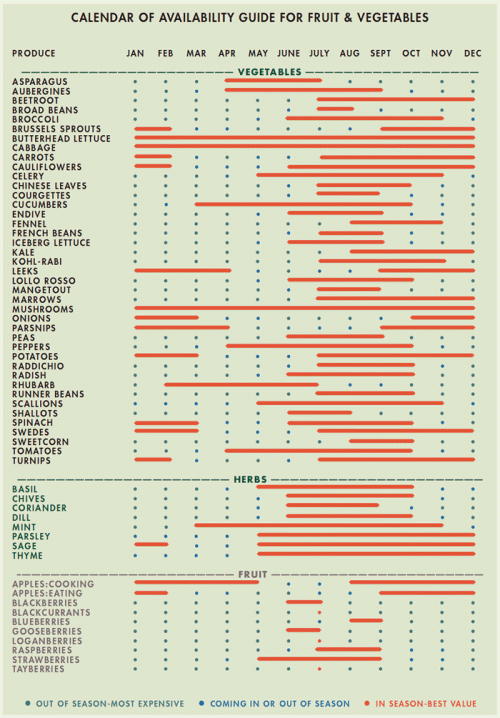
To help my family follow these three food rules, I keep a copy of Bord Bia’s Calendar of Availability Guide for Fruit and Vegetables taped to the inside of the cupboard where I keep my collection of cookbooks. It’s a handy reminder of what I to cook and feed my family and it helps me know what to plant in our garden throughout the year. If you have trouble distinguishing the blue from the green dots, print out a copy of the Guide: it’s easier to see the difference.

availability_guide

So, as we say goodbye to spring/summer foods and hello to autumn/winter foods, I say let’s all move toward a simpler, healthier, more varied way of eating. Join me…won’t you?… and let’s share the joy of trying new foods together.

Related Articles:

Bord Bia’s (the Irish Food Board), Best in Season article here http://www.bestinseason.ie/about-us/

Here’s another good seasonal food chart: http://www.greatfood.ie/item_display.asp?cde=3&id=521

Michael Pollan’s article Six Rules for Eating Wisely here http://michaelpollan.com/articles-archive/six-rules-for-eating-wisely/

Here’s a family that made Real Food a priority for 100 days and wrote a book (and successful blog) about the experience.

Follow blogger Trevor Sargent over at Trevor’s Kitchen Garden for tips about how to grow your own foods.

Darina Allen says GIY (Grow It Yourself) is one of the most important initiatives to come out of Ireland in last 20 years.

For a list of Irish Farmer’s Markets, look here: http://www.bordbia.ie/consumer/aboutfood/farmersmarkets/pages/default.aspx

Irish Farmer’s Market website at http://irishfarmersmarkets.ie


Read Full Post »

Several weeks ago I promised to blog Chef Fran Broadbery’s Plum Island Grille Apple Tarte Tatin recipe. Unfortunately I’ve been struggling to get the recipe to work, which is why you haven’t seen it posted yet. Fran warned me it can be difficult (if not impossible) to take a recipe from a professional kitchen and convert it into a recipe suitable for a domestic kitchen, so I knew there was a chance the recipe wouldn’t work. Never fear, however, after many attempts I finally have a recipe that will work in any home kitchen…even if you’re not a domestic god or goddess!!

So, without further adieu, I am happy to present to you this wonderful Plum Island Grille inspired Apple Tarte Tatin. We are smack in the middle of apple season, so I hope you enjoy this wonderfully delicious, super easy, recipe. Cheers!

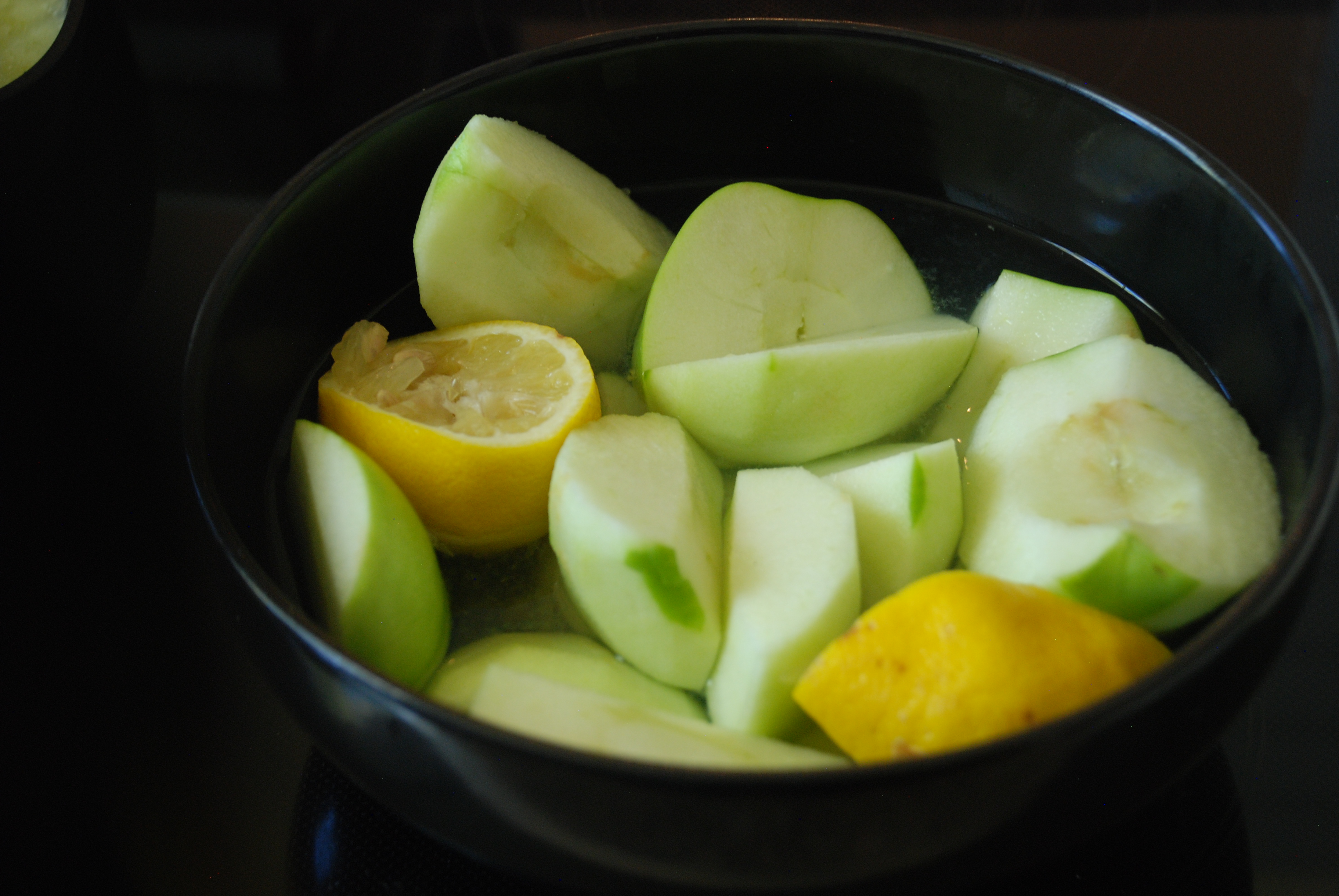
Step one: put apples in water with lemons.

Step one: put apples in water with lemons.

Step two: melt butter and add sugar.

Step two: melt butter and add sugar.

Step three: caramelise the butter and sugar.

Step three: caramelise the butter and sugar.

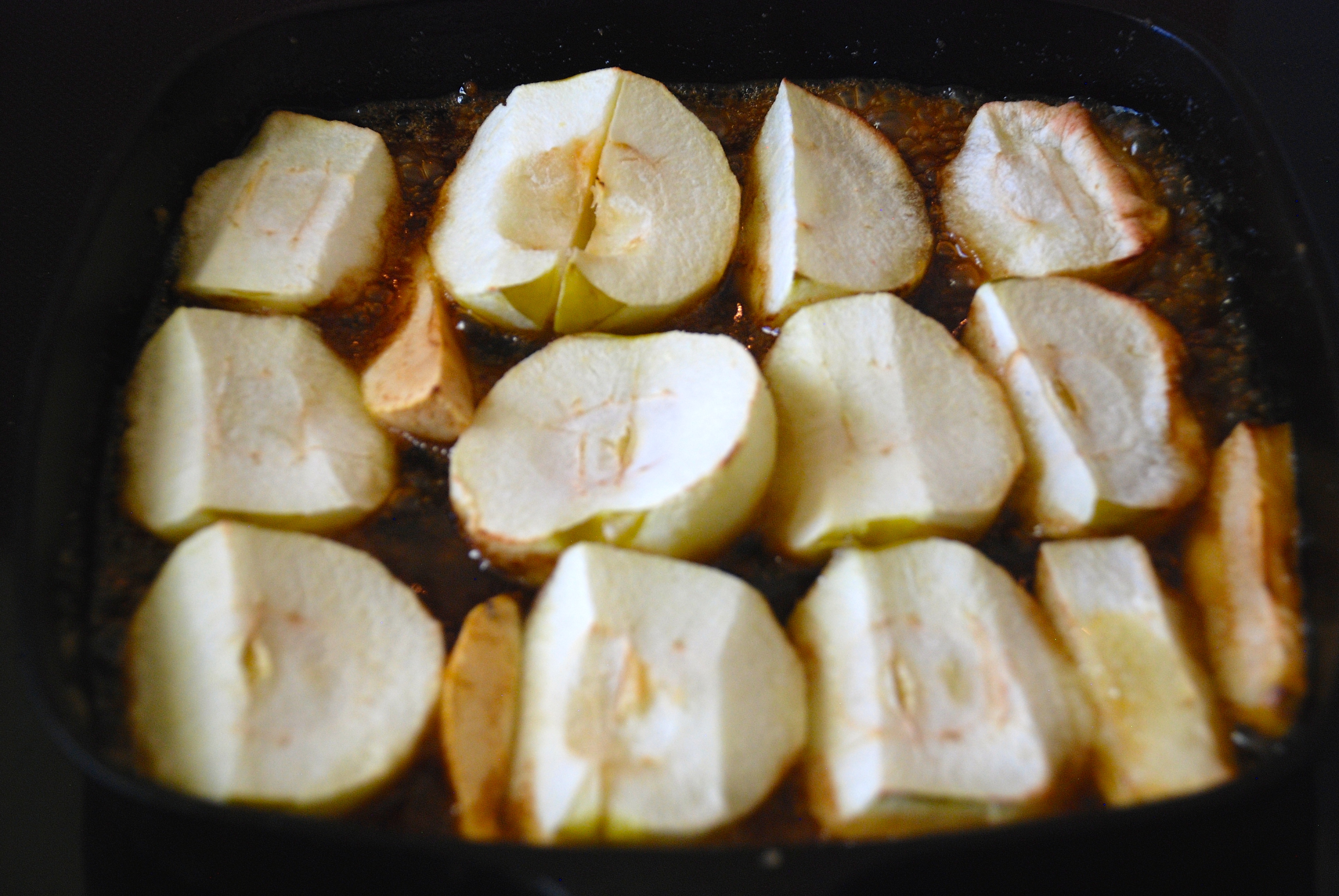
Step four: add the apples rounded side down and bake for 20 minutes.

Step four: add the apples rounded side down and bake for 20 minutes.

Step five: cover with puff pastry and bake.

Step five: cover with puff pastry and bake.

Step six: remove from oven.

Step six: remove from oven.

Step seven: carefully invert the Tarte Tatin onto a plate.

Step seven: carefully invert the Tarte Tatin onto a plate.

Step eight: top with vanilla ice cream and serve.

Step eight: top with vanilla ice cream and serve.

Apple Tarte Tatin 

Serves 6-8 

Ingredients

1 sheet of puff pastry (you can make your own, but why bother!)

110g/4oz unsalted butter

225g/8oz sugar

4 apples, peeled, cored and cut into halves or quarters (Granny Smith are perfect, but really any apple is fine)

1 lemon, cut in half

Directions

1. Pre-heat oven to 200°C/400°F.

2. Place apples (peeled, cored and cut) into a medium size bowl. Cover with water and squeeze the juice of the lemon into the water. Put the lemon halves into the water as well.

3. In a skillet, melt the butter over moderate heat. Stir in the sugar. The mixture will be grainy at first, but be patient…and don’t turn up the heat. The sugar will melt and become caramel.

4. Drain the water off the apples and dry with kitchen roll (paper towel). Remove the caramel from the heat and add the apples rounded side down.

5. Put the skillet in the oven and bake for 20 minutes or until a knife can be easily inserted into the apple.

6. Remove skillet from oven and cover with a sheet of puff pastry slightly larger than the size of the skillet. Tuck the edges of the pie crust into the hot skillet. Be careful not to burn yourself.

7. Return the skillet to the oven for another 15-20 minutes or until the crust is golden brown.

8. Remove the Tarte Tatin from the one and set on a rack to cool.

9. Run a knife around the edge of the pie crust to separate it from the skillet. Shake the skillet a few times to loosen the apples and caramel. Place a pie plate over the skillet. Carefully grip the plate and the skillet and flip over so the pie plate is on the bottom and the skillet is on the top.

10. Gently lift the skillet from the plate. Rearrange any apples that have shifted during the inverting and scrape any stubborn caramel off the skillet and onto the Tarte Tatin. If some of the caramel is stuck to the skillet, place back in the oven until it’s spoonable or drizzel-able and spoon or drizzle over the Tarte Tatin on the plate.

11. Serve while still warm, topped with a scoop of vanilla ice cream or freshly whipped cream.

Notes:

* Cold Tarte Tatin makes for a delicious breakfast dish.

** Pears, quince, and fruits of a similar hardness can be cooked like apples to make Tarte Tartin.

*** I used my grandma’s old skillet in this recipe, but you can use an oven proof sauté pan.

Related Articles:

1. Rhubarb Tarte Tatin at Tartelette

2. Sausage Tarte Tatin made by Donal Skehan

3. Darina Allen’s Tarte Tatin recipe as published in The Irish Examiner

Read Full Post »

Irish Elderflower Cordial

At this time of year the hedgerows around Ireland are full of pink and yellow and white blossoms that are so very fragrant. It’s an absolute pleasure to walk around small country roads just to take in their lovely sweetness.

One flower in particular, the Elderflower, has me captivated. Growing like lace caps on a bushy green {and sometimes very tall} shrub, these gorgeous little flowers can be brewed with the simplest of ingredients to make a cordial (flavoured syrup) that is refreshingly delicious.

You may think it takes ages to make Elderflower cordial but it doesn’t. Five minutes or less picking the blooms and another five in the kitchen doing a bit of work, plus an overnight sitting under the canopy of a clean tea towel, and you’re done. Easy-peasy.

Elderflower cordial is a summer time staple in our Irish home. I am sure it will be the same in your home once you give it a try.

Wild Irish Elderflower Cordial

Ingredients

10-15 elderflower sprays, pick on a dry day and stay clear of plants close to the ground or in high trafficked areas

1 litre cold water

2lbs caster sugar

1 lemon sliced, skin scrubbed clean first

2oz citric acid (available at a chemist (pharmacy/drugstore)

Directions

1. After picking the elderflower sprays, turn upside down and give them a good sturdy shake to remove any bugs. Next, pick off any leaves, cut down the stems, and bring into the kitchen.

2. Put the water into a small saucepan and bring to a boil. Add the sugar and stir with a spoon until completely dissolved. Allow to cool to room temperature.

3.  Pour the sugar water into a large bowl. Add the elderflower sprays. Zest the lemon and add to the bowl. Slice the lemon and add to the bowl. Push the flowers and lemon slices under the sugar water and stir. Cover the bowl with a clean tea towel and leave for 24 hours.

4. Strain the mixture through a clean muslin cloth. At this point you may add the optional citric acid. Pour into a clean bottle, seal, and keep in the fridge until ready to use. We prefer a 1:6 ratio of elderflower cordial to sparkling water but you can serve it at whatever strength you prefer.

Notes: This cordial would be lovely added to a tall glass of crisp Prosecco, sparkling wine, gin or vodka.

Read Full Post »

Not every day is a good day In an Irish Home. Some days are average, some days are not so great, and some days are dreadful enough that we need a bit of heavenly help to make it through the hours.

Yesterday was one such day: a close family member was in hospital having surgery and, well, you know yourself, no operation is without its possible complications so there was a good deal of worry going round. While the clock ticked away quietly in the background and we waited for word from the Professor (surgeon), I did what any good Irish woman does in these situations…I started to pray.

Now don’t get me wrong…I am no Holy woman, or even a good Catholic for that matter, but I do have a strong sense of faith and I pray regularly. For the most part, my prayers are of a conversational nature…”Hello God…it’s me…again!” or “Thank you, Lord, for the parking space near the shop door!” Other times, however, I need the comfort of a traditional prayer or set of prayers to calm my heart and mind and, in those moments, I turn to the old Catholic standby…the Rosary.

To those unfamiliar with the Catholic Rosary, it is an instrument of prayer and mediation. It’s real purpose is to allow a person to mediate on the mysteries of Christ’s life. I, however, like to use the Rosary to centre my mind and bring myself and/or my problems closer to God.

A Rosary consists of four Mysteries (the Joyful, the Sorrowful, the Glorious, and the Luminous), and each of these Mysteries is broken into five “Decades”, representing an event in the life of Jesus. Each Mystery is assigned to a different day of the week. For example: the Joyful Mysteries are prayed  Monday and Saturday; the Sorrowful Mysteries on Tuesday and Friday; The Glorious Mysteries on Wednesday and Sunday; and the Luminous (also known as the Mysteries of Light) on Thursday. Also, as you can see from the diagram below, a Rosary is broken up into various prayers:.

Diagram for saying the Rosary

Diagram for saying the Rosary

To begin praying the Rosary, one starts by making the Sign of the Cross (saying “In the name of the Father, and the Son, and the Holy Spirit. Amen.”) and then reciting the Apostles’ Creed. Next, one prays the Our Father, three Hail Marys, and a Glory Be to the Father on the beads connecting the crucifix (cross) to the rest of the beads. Then begin the Mysteries: start by announcing the Mystery, followed by announcing the first Decade of the Mystery. Pray one Our Father, ten Hail Mary’s, and one Glory Be to the Father and follow this with the Fatima prayer. Announce the next Decade and recite the same thirteen prayers (one Our Father, ten Hail Mary’s, one Glory be to the Father, one Fatima prayer again and then do it three more times (for a total of five times). Finally, there is one last Our Father, Hail Mary and  Glory Be, and a concluding prayer of the Hail Holy Queen prayer and the Sign of the Cross.

For anyone interested in praying the Rosary, below I’ve written out the four Mysteries and their Decades, the Fatima prayer, the Hail Holy Queen prayer and an extra prayer to the Hail Holy Queen that my mother-in-law always says when she says the Rosary. And, just to finish off this post, the surgery went well and the patient should be home tomorrow mid-day…thank God!

Prayers of the Rosary

Sign of the Cross: In the name of the Father, and the Son, and the Holy Spirit. Amen.

Apostles’ Creed (your version may be different depending on when you learned it and where you’re from): I believe in one God, the Father Almighty, Creator of heaven and earth; and in Jesus Christ, His only Son, our Lord: Who was conceived by the Holy Spirit, born of the Virgin Mary; suffered under Pontius Pilate, was crucified, died and was buried. He descended into hell; the third day He rose again from the dead; He ascended into heaven, is seated at the right hand of God the Father Almighty; from thence He shall come to judge the living and the dead. I believe in the Holy Spirit, the Holy Catholic Church, the communion of Saints, the forgiveness of sins, the resurrection of the body, and life everlasting. Amen.

Our Father: Our Father, Who art in Heaven, hallowed be Thy name; Thy Kingdom come, Thy will be done on earth as it is in Heaven. Give us this day our daily bread; and forgive us our trespasses as we forgive those who trespass against us; and lead us not into temptation, but deliver us from evil. Amen.

Hail Mary: Hail Mary full of Grace, the Lord is with thee. Blessed are thou among women and blessed is the fruit of thy womb Jesus. Holy Mary Mother of God, pray for us sinners now and at the hour of our death Amen.

Glory Be to the Father: Glory be to the Father and to the Son and to the Holy Spirit. As it was in the beginning is now, and ever shall be, world without end. Amen.

Fatima Prayer: O My Jesus, forgive us our sins, save us from the fires of Hell and lead all souls to Heaven, especially those who are in most need of Thy mercy.

Hail Holy Queen: Hail, holy Queen, Mother of mercy, hail, our life, our sweetness and our hope. To thee do we cry, poor banished children of Eve: to thee do we send up our sighs, mourning and weeping in this vale of tears. Turn then, most gracious Advocate, thine eyes of mercy toward us, and after this our exile, show unto us the blessed fruit of thy womb, Jesus. O clement, O loving, O sweet Virgin Mary! Amen.

Pray for us, O holy Mother of God. That we may be made worthy of the promises of Christ.

Let us pray.

O God, whose only-begotten Son, by his life death and resurrection, has purchased for us the rewards of eternal life; grant we beseech you, that meditating on these Mysteries of the most holy Rosary of the Blessed Virgin Mary, we may both imitate what they contain, and obtain what they promise, through the same Christ our Lord. Amen.

The Four Mysteries and Their Decades

The Joyful Mysteries & Its Five Decades

1. The Annunciation – Mary is visited by the Angel Gabriel and asks her if she will be the Mother of the Saviour.

2. The Visitation – Mary visits her cousin Elizabeth who says, “Hail Mary, full of Grace, the Lord is with thee.”

3. The Nativity – Jesus is born.

4. The Presentation – Mary and Joseph present Jesus at the Temple after his birth to present him.

5. The Finding in the Temple – Mary and Joseph find Jesus in the Temple discussing his faith with the Elders.

The Sorrowful Mysteries & Its Five Decades

1. The Agony in the Garden – The thought of our sins and His coming suffering causes the agonizing Savior to sweat blood.

2. The Scourging at the Pillar –  Jesus is stripped and scourged until His body is one mass of bloody wounds.

3. The Crowning with Thorns – Jesus’s claim to kingship is ridiculed by putting a crown of thorns on His head and a reed in His hand.

4. The Carrying of the Cross – Jesus shoulders His own cross and carries it to the place of crucifixion while Mary follows Him sorrowing.

5. The Crucifixion – Jesus is nailed to the cross and dies after three hours of agony witnessed by His Mother.

The Glorious Mysteries & Its Five Decades

1. The Resurrection –  Jesus rises from the dead on Easter Sunday, glorious and immortal, as He has predicted.

2. The Ascension – Jesus ascends into Heaven forty days after His resurrection to sit at the right hand of God the Father.

3. The Descent of the Holy Spirit – Jesus sends the Holy Spirit in the form of fiery tongues on His Apostles and disciples.

4. The Assumption – Mary, having completed the course of her earthly life, is assumed body and soul into heavenly glory.

5. The Crowning of Mary – Mary is crowned as Queen of heaven and earth, Queen of angels and saints.

The Luminous (also known as the Mysteries of Light) & Its Five Decades

1. Baptism in the Jordan – God proclaims that Jesus is his beloved Son.

2. Self-manifestation at the wedding of Cana – At Mary’s request, Jesus performs his first miracle.

3. Proclamation of the Kingdom of God, with His call to conversion – Jesus calls all to conversion and service to the Kingdom.

4. The Transfiguration – Jesus is revealed in glory to Peter, James, and John.

5. Jesus’ institution of the Eucharist – Jesus offers his Body and Blood at the Last Supper.


Related Articles: 

To hear the Rosary said in Irish, please go to Coróin Mhuire

The Rosary in Irish (Gaelic) over at Catholic Online

Rosary ideas for kids on Pinterest here

The Rosary as a Tool for Mediation at Loyola Press

How to Say the Rosary at EWTN

Read Full Post »

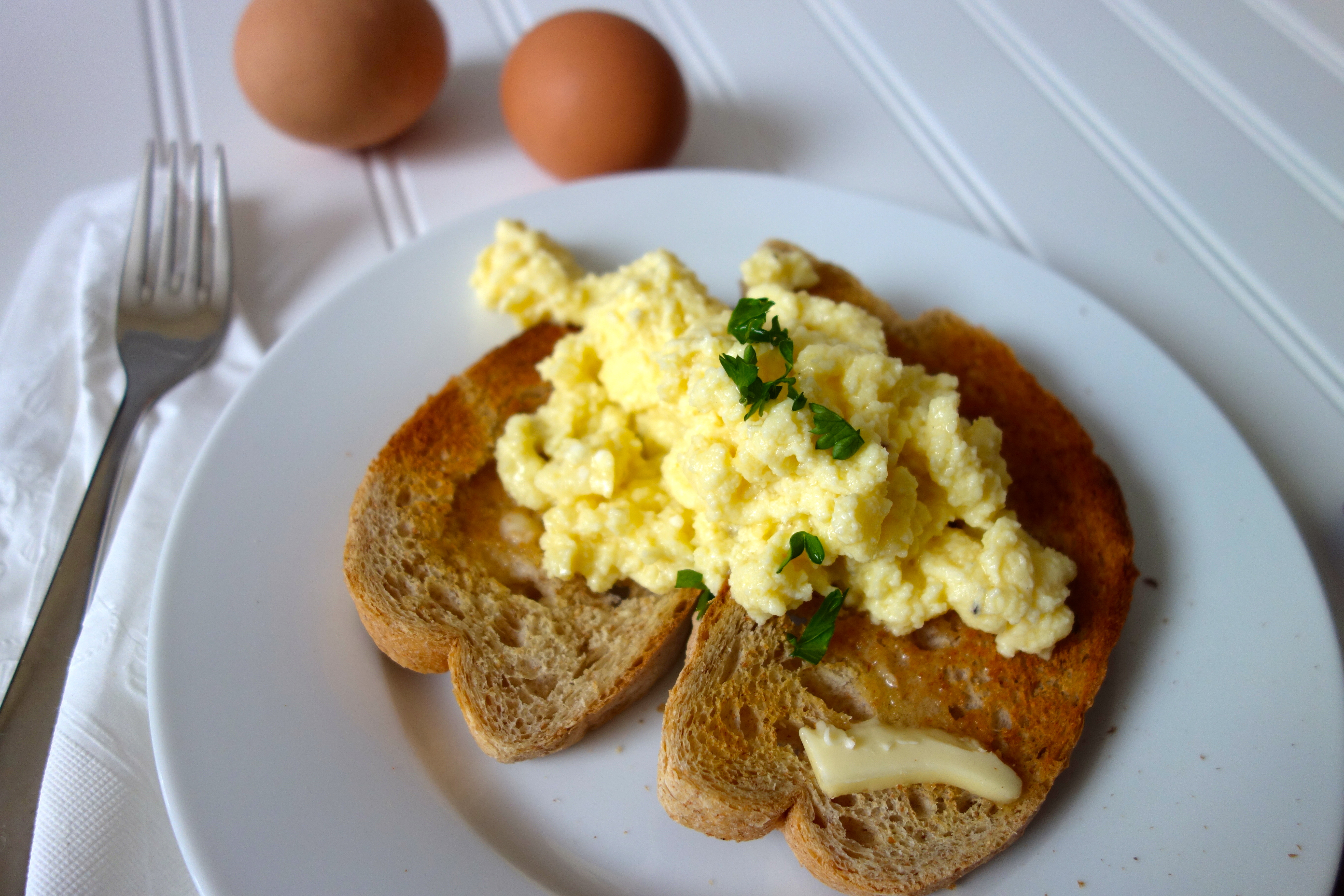
Irish Scrambled Eggs

Irish scrambled eggs. Fluffy. Creamy. And, oh, so delicious…why did I fight so long to hang on to my American way of making ye? Why indeed. Like many things one clings to when they feel adrift in a sea not their own, I couldn’t wouldn’t give up my way of making scrambled eggs until recently.

This story starts with a young version of myself, standing at my mother’s side, learning to make scrambled eggs for breakfast. Break eggs into a bowl, add milk, put a dollop of butter in a hot frying pan…wait for the butter to foam…add the beaten eggs and milk mixture to the pan and cook quickly…whirling a spatula in a chopping motion…until the eggs form dry, separate, curds. Plate and eat immediately…simple to make.

Irish Eggs

Fast forward fifteen years…I’m now standing at my husband’s side, watching as he scrambles eggs for breakfast. Break eggs into a bowl, add salt and pepper to taste. Put two dollops of butter in a saucepan on low heat and add milk to the saucepan…wait for the butter to melt into the milk…add the beaten eggs and cook gently…stirring with a wooden spoon…until the eggs are set. Plate on a slice of warm buttered toast and serve immediately…also simple to make, but unacceptable to this Yankee girl.

DSC02891

Yes, it is sad but true to say, I was set in my American ways and unwilling to give up anything the things that reminded me of home for the longest time. I believed, as many immigrants do, that everything from home is always better.

DSC02895


What eventually changed my mind? Two very sweet little girls.

DSC02897

You see, when you’re raising children who are both Irish and something else {in our case, Irish and American} it is sometimes often times easier to let go of long-held traditions for different, and somewhat uncomfortable, new ones…out of love.

DSC02905

And, that Dear Readers, is what happened to me and my belief about how to make scrambled eggs. My American mother taught me to make scrambled eggs dry, served with a dollop of salsa (the Texas girl in me) or ketchup (the New Englander girl in her) and toast on the side. My Irish husband taught me otherwise. Our Irish American children cajoled me into changing my preference for how this breakfast dish is made such that, finally, I came round to making {and enjoying} scrambled eggs the Irish way…slowly, stirred in saucepan with a wooden spoon until barely set. I hope you enjoy them too!

Irish Scrambled Eggs

Serves One

Ingredients

2 eggs

salt and pepper to taste

1 oz butter

2 tablespoons milk

Directions

1. Crack two eggs into a bowl, add salt and pepper to taste, and mix with a fork.

2. Put butter, in a small saucepan, over low heat, and add milk.

3. When butter melts into milk, add eggs and stir constantly with a wooden spoon until eggs are set {they look about 75% cooked and slightly wet}.

4. Serve over warm buttered toast, with a sprinkling of chopped parsley, and eat immediately.


Read Full Post »

I love to spend time in my kitchen but I’ve never want to be a slave to it. Which is why, over the years, I have sought out recipes that are delicious, easy to make, and {one more thing} nutritious.

Today’s recipe for Leek and Potato Soup hits all the marks. This recipe is so easy, a child could make it…in fact, mine have. It’s perfectly good as a starter when you’re throwing a dinner party, but it’s also equally fine as a main course for any night of the week when you need to serve up a light supper.

DSC03370

If you were to omit the leeks in this recipe, you would then have an Irish Master Recipe…meaning you have a fine potato soup that can then be turned into any number of other soups with the addition of one or two other ingredients. For example, Nettle Soup, Potato and Parsley Soup, Potato and Mint, Potato Soup Garnished with Fried Pancetta…the list is endless.

Though only a modest tuber, potatoes are still very popular in Ireland. I laugh when I think back to the early years of my marriage and how my lovely husband would always insist on making the boiled potatoes to go with our dinner. He didn’t trust me (the American) to boil potatoes properly…imagine!

I’ve come a long way…frying up, boiling up, roasting up, baking up, and mixing up many a potato since then. This recipe is one my favourites and always gets rave reviews from dinner guests. I hope you and yours enjoy it too!

Leek & Potato Soup

Serves 4-6

Ingredients

2oz butter

3 leeks, white parts only, chopped roughly *

2 onions, chopped roughly

2 potatoes, peeled and diced

2 bay leaves

1 liter chicken stock

salt and pepper to taste

75ml cream

Garnish Options

knob (slice) of blue cheese

chives, finely chopped

Directions

1. Melt the butter in a medium saucepan. When it starts to foam, add the leeks, potatoes and onions, turning them in the butter until well coated. Cover with a lid (or a piece of grease proof/parchment paper), and sweat for about 10 minutes on low heat.

2. Add the stock, bring to the boil and simmer until the vegetables are tender. Do not overcook or the vegetables will lose their flavour.

3. Liquidise until smooth, taste, add salt and pepper as needed.

4. Add cream and stir well. Garnish with a knob of blue cheese (we like Cashel) or top dress with some chopped chives.

Notes:
* The green tops of the leeks can be put into a compost heap or saved for another soup or homemade stock. I often put mine into the freezer and use when I’m making a chicken or vegetable stock.


Related Articles:

Ancient Irish Leek & oatmeal Soup at http://avillagepantry.wordpress.com/2011/03/04/ancient-irish-leek-oatmeal-soup-brotchan-roy/

Potato and Leek Soup…and Pink Irish Houses blog post at http://rileymadel.yummly.com/2011/11/potato-leep-soupand-pink-irish-houses.html

RTE Food blog Simple Leek and Potato Soup Recipe at http://www.rte.ie/lifestyle/food/recipes/2011/0929/1335-a-simple-leek-and-potato-soup/

Enhanced by Zemanta

Read Full Post »

There’s a book I own that sits on the nightstand near my bed…one my mother gave to me when I was a child. The binding is tattered and the corners are torn, but I never mind that…the book means the world to me.

Hot Cross Buns Image 1

Behind the faded cover is a collection of poems known as Mother Goose Rhymes and one of my favourites is called Hot Cross Buns. Of course you know the poem:

Hot cross buns, hot cross buns.

One a penny, two a penny, hot cross buns.

If you have no daughters, give them to your sons.

One a penny, two a penny, hot cross buns.

In my youth and innocence, I had no idea what a hot cross bun was: I’d never seen one, let alone tasted one. Looking back, I’m not even sure I knew what a “bun” was. In America a bun is an updo-hairstyle worn by a ballerina.

What I knew for sure was the woman in the illustration looked happy and the image of the village and the pretty children was very romantic and that appealed to my young heart. It wasn’t until many years later when I was living in Ireland that I finally saw and ate my first hot cross bun.

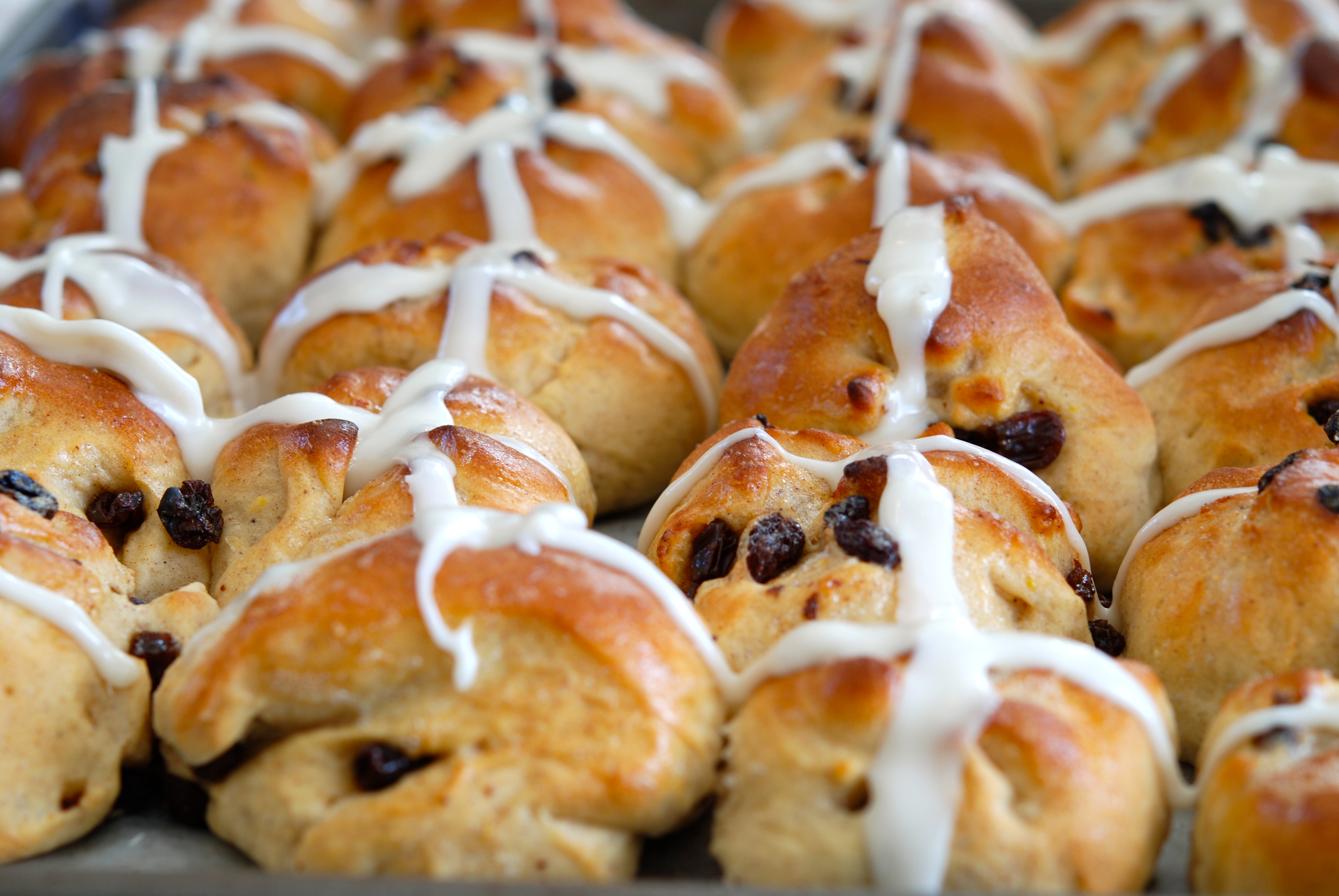
DSC_0387

Soft, light, sweet and delicious when served warm from the oven with a pad of butter, they are perfect with a cup of tea. In the weeks between St. Patrick’s Day and Good Friday, hot cross buns are readily available. Some are better than others however, so buyer beware. To make them from scratch is easy enough…it’s just the rising time that makes them a bit of a bother.

Hot Cross Buns are very much a part of the Irish Easter tradition: specifically Good Friday, when they were once served to commemorate Christ’s suffering on the cross (hence the cross marking on the bun). Today they are common place and most young ones wouldn’t know anything about the religious or secular traditions they are steeped in.

One of those traditions, from my mother-in-law’s day, is that you would break a Good Friday Black Fast (drinking only water or tea during the day) with a hot cross bun. Two others I know are: if you hung a bun from the kitchen ceiling you could ward off evil spirits; and gratings from a preserved bun, mixed with water, would cure a common cold. Oh, if only it were only that easy!

In our Irish home, hot cross buns are a Good Friday treat. We’re enjoying them today just as much as we’re enjoying the lovely sunshine that we’ve been blessed with. We’re off to do the Stations of the Cross Passion in a few hours time and then finishing the day with a bowl of velvety leek and potato soup and some homemade brown bread. In some ways you could say we’re a bit old-fashioned but then that’s just the way it is for us. I wonder what it’s like for you?

Lent is coming to an end, finally. I hope you’ve enjoyed the recipes I’ve been posting these past six weeks and, likewise, I hope you’ve made it through your Lenten promise without having to hit the reset button too often. I slipped up a few times myself, but overall am quite pleased with my staying power!

I wish you and yours a very happy Easter and, if by chance you’re partaking in a hot cross bun today, I offer you the following poem of friendship: “half for you and half for me…between us two…good luck shall be!”

All the best.


Odlum’s Hot Cross Buns

Makes One Full Baking Tray

Ingredients for the Buns

625g/ 1lb 4 oz Odlums Strong White Flour (plus extra for dusting)

1 tsp salt

2 tsp ground mixed spice

50g/2oz butter, cut into cubes, plus extra for greasing

75g/3oz sugar

Rind of 1 lemon

1 sachet fast-action yeast (7g)

1 egg

275ml/10fl oz tepid milk

125g/4oz Shamrock Fruit Mix (or raisins)

Ingredients for the Topping

2 tbsp Odlums Cream Plain Flour

Vegetable Oil (for greasing)

1 tbsp golden syrup, gently heated, for glazing

Directions

For the buns, sieve the flour, salt and ground mixed spice into a large mixing bowl, then rub in the butter using your fingertips. Make a well in the centre of the mixture then add the sugar and lemon zest and yeast.

Beat the egg and add to the flour with the tepid milk. Mix together to a form a soft, pliable dough.

Turn out the dough onto a lightly floured work surface. Carefully work the mixed dried fruit into the dough until well combined. Knead lightly for 5 minutes, or until smooth and elastic.

Grease a large, warm mixing bowl with butter. Shape the dough into a ball and place it into the prepared bowl, then cover with a clean tea towel and set aside in a warm place for one hour to prove.

Turn out the proved dough onto a lightly floured work surface and knock back the dough. Shape it into a ball again and return it to the bowl, then cover again with the tea towel and set aside for a further 30 minutes to rise.

Turn out the dough onto a lightly floured work surface and divide it into 12 equal pieces. Roll each piece into a ball, then flatten slightly into a bun shape using the palms of your hands. Cover the buns again with the tea towel and set aside to rest for 5-10 minutes.

Grease a baking tray with butter and transfer the buns to the tray. Wrap the tray with the buns on it loosely in greaseproof paper, then place inside a large polythene bag. Tie the end of the bag tightly so that no air can get in and set aside in a warm place for a further 40 minutes to rise.

Preheat the oven to 240C/475F/Gas 8.

Meanwhile, for the topping, mix the plain flour to a smooth paste with 2 tablespoons of cold water.

When the buns have risen, remove the polythene bag and the greaseproof paper. Spoon the flour mixture into a piping bag and pipe a cross on each bun.

Transfer the buns to the oven and bake for 8-12 minutes, or until pale golden-brown. As soon as you remove the buns from the oven, brush them with the hot golden syrup, then set aside to cool on a wire rack.


Read more at:
Enhanced by Zemanta

Read Full Post »

« Newer Posts - Older Posts »