Feeds:
Posts
Comments

Posts Tagged ‘Irish Traditions’

IMG_0061

For weeks I’ve been playing a game of “Watch and Wait” with mother nature. Whether on a walk in the countryside or a drive into town, I have been watching and waiting patiently for the blackberries ripening in the hedgerows near our home to be ready for picking.

Blackberries

While the berries have morphed in colour from green to red to a deep black-purple, I’ve been daydreaming about the many things I might make: scones, jam, cobbler, sorbet, ice cream, flavoured vinegar, even a blackberry whiskey concoction. It seems the list of things to do with blackberries is endless!

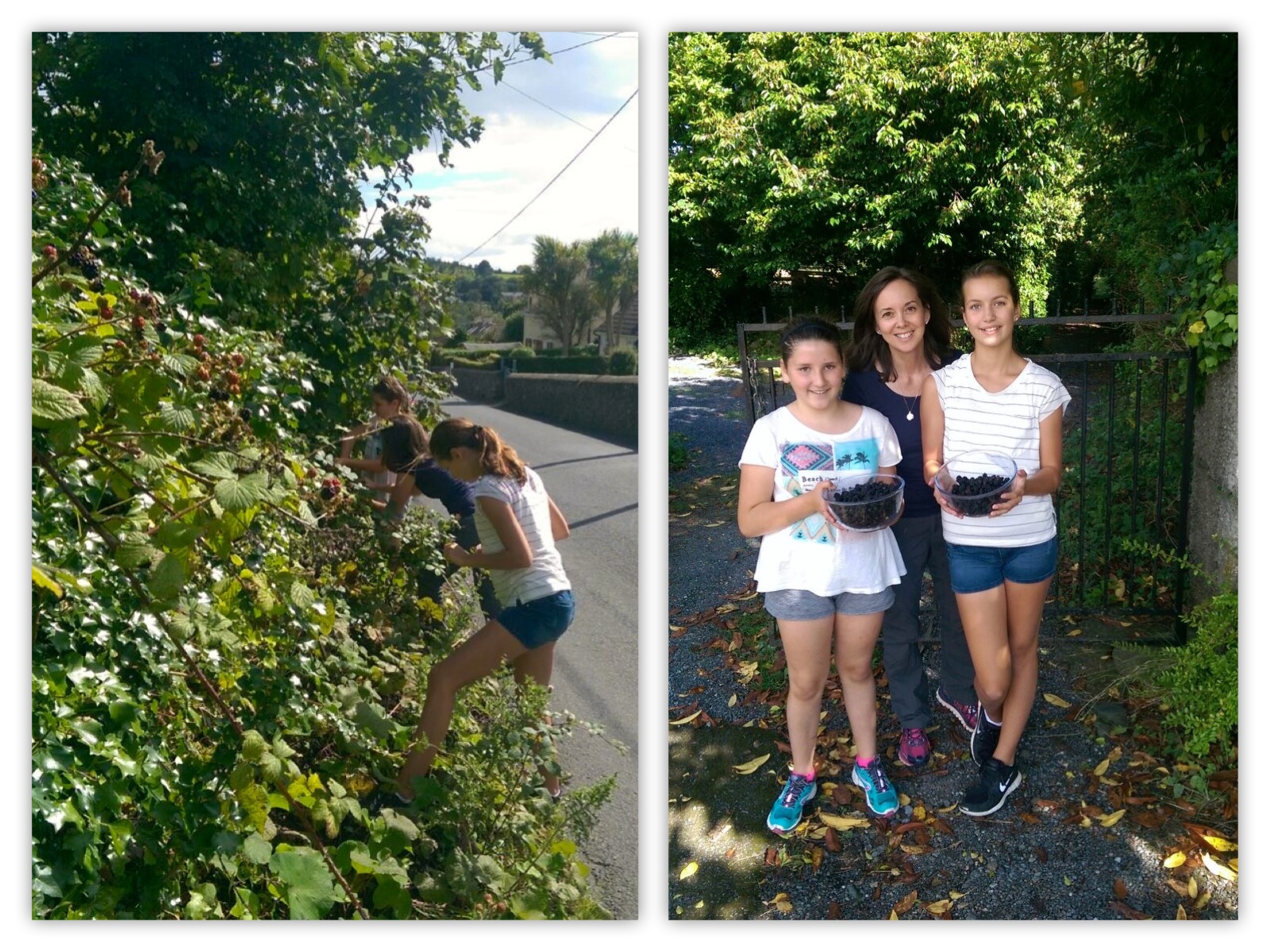
Finally, last weekend, I could wait no more. Truth be told…I nearly crashed my car last Thursday for looking at the berries ripening in the summer sun. I invited my friend Susan and her daughter Ellen to join my younger daughter and me for a morning of picking wild blackberries. It may not be true, but I have in my mind that it’s best to pick fruit and vegetables in the morning, when the energy of the earth is surging through a plant. So, with our bowls in hand, we four girls headed down the road to a hedgerow that was bursting with berries. When we’d picked it clean, we spotted more in a nearby field and, with the farmer’s permission, we hopped the gate and picked until our hearts’ were content. (My daughter did keep saying, “Mom we have to leave some for the birds!”)
Blackberries 2

Wild blackberries have been eaten in Ireland since Neolithic times. They come in many forms, possibly even several hundreds of micro species. Some are small and mean-looking, others fat and plump. None resemble the large, mostly tasteless, perfect triangle-shaped berries found in the supermarket. Packed with fibre and antioxidants, blackberries are a rich source of vitamin C and, best of all, when picked at their peak of ripeness, wild Irish blackberries are gorgeously delicious.

In no time at all, we girls were scraped and prickled by the thorny bushes and our fingers were stained red-pink from the sweet berry juice. We didn’t mind, however, as we were happy to have our bowls filled to the brim with nature’s bounty and countless ideas for what to do with them running through our heads.

Picking blackberries is a rite of passage in Ireland and I’m so glad to be able to share in this tradition with my daughters and our friends. I hope you and yours find time to enjoy a blackberry picking expedition of your own this year too!

IMG_9883

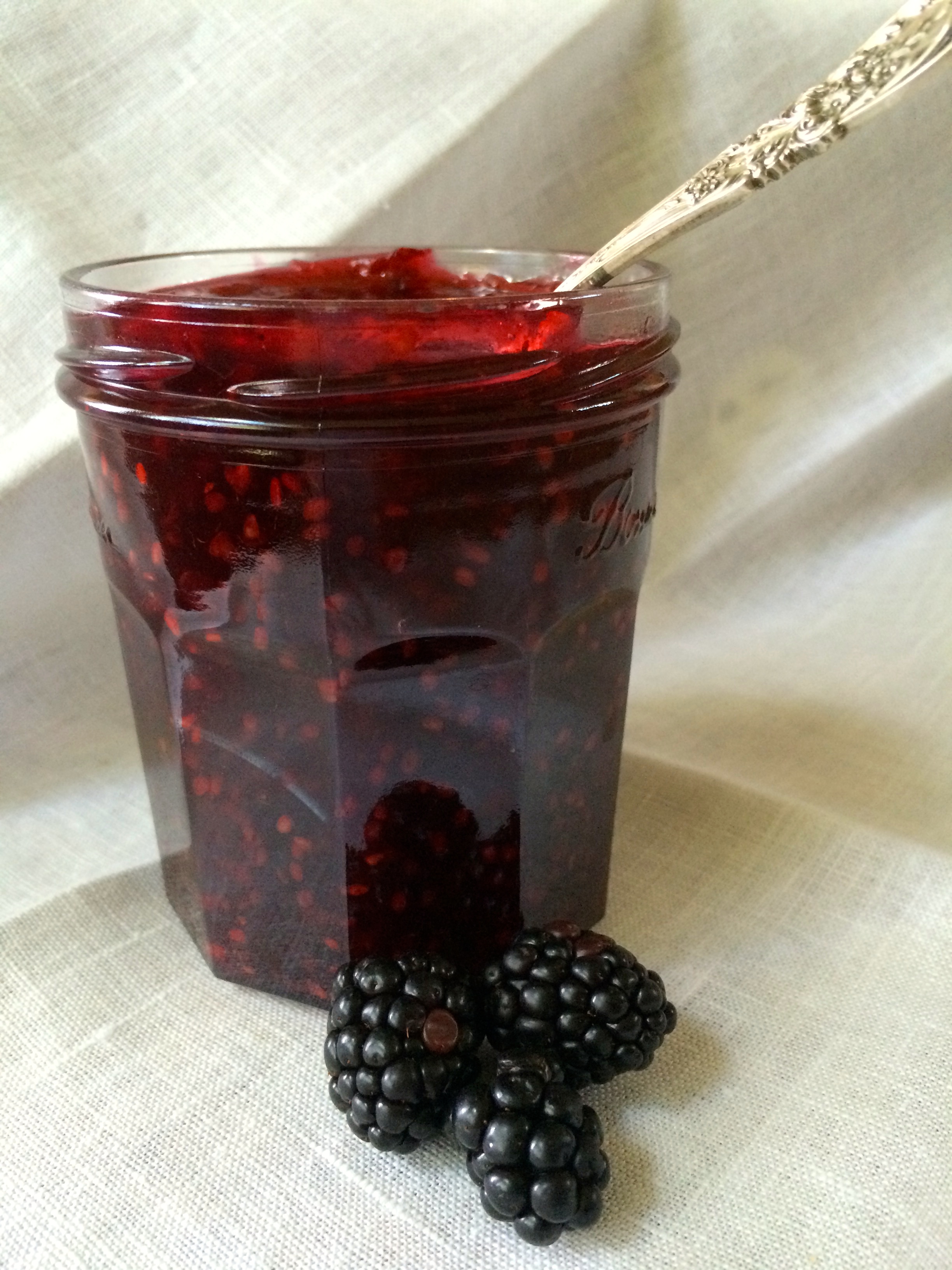
Classic Irish Blackberry Jam

Makes 4 x 250ml jars

Ingredients

1kg/2 lbs Sugar
1kg/2 lbs Blackberries
Juice and zest of one lemon

Directions

1. Place a salad plate in your freezer. This will be used to test whether or not your jam is ready later.

2. Place sugar, blackberries and juice and zest of one lemon in a large pot.

3. Bring the mixture to the boil, stirring until all the sugar dissolves.

4. If you like whole berries in your jam, stir occasionally and cook for approximately 15 minutes. If you like your jam with the berries crushed, use a potato masher to crush the berries and continue cooking as previously directed.

5. While the berries are cooking, put clean glass jars and lids into a large pot and cover with water. Bring to the boil, then turn the heat down and simmer the jars and lids to sterilize.

5. When the 15 minutes are up, take the plate out of your freezer and drop a dollop of hot jam onto it. Let the jam cool for a few minutes on the plate and then, with your finger, push a bit of the jam up towards the middle to see if it “crinkles”. If it does, the jam has set and you are ready to bottle it. If not, continue to boil for another 5 minutes, then test again.

6. Remove from the heat and carefully transfer to hot, dry, sterilized jars. Fill them as near to the top as possible. Cover each with a disc of wax paper and seal tightly with a lid. Keep in a cool dark place for up to 12 months.

Notes:

* If the jam doesn’t set after cooling and potting, tip it all back into the pan and boil again, adding the juice of a small lemon.

* If mould develops on the surface of the jam in a jar, remove it with a spoon, along with about half an inch (1 cm) of the jam underneath…rest assured, the rest of the jam will not be affected…and place a waxed disc dipped in brandy on top.

Additional Reading:

Irish Blackberry Ripple Ice Cream over at Irish Food Guide blog.

If you’re musically inclined, visit 8Notes.com to hear The Blackberry Blossom song, an Irish folk song.

The golden rules for picking blackberries can be found here at Good Food Ireland’s website.

For a wee bit of folklore regarding Irish blackberries visit the Irish Cultures & Customs website.

Seamus Heaney, Irish poet, playwright, lecturer, and recipient of the 1995 Nobel Prize in Literature, wrote a poignant poem about blackberries…you can read it here.

It may be called “English’s Fruit Nursery Ltd“, but you can buy blackberry plants from this company in Enniscorthy, Co. Wexford!

Check-out these gorgeous looking Blackberry and Custard Doughnuts over at Donal Skeehan’s website…I may just have to try these and report back!!

Visit here for a video on how to test jam from BBC Good Food.

Read Full Post »

In our Irish home we believe there’s something magical about receiving a gift at Christmas that has been lovingly made by someone you know. Which is why we make edible handmade treats every year to give close friends, neighbours and teachers.

DSC_0005

These “Naughty & Nice” sweet treats are sure to make our friends smile this year (clearly the Irish Cream Liqueur is for adults only!). The granola recipe, originally posted here at In an Irish Home, was modified slightly: we added several handfuls of dried red cranberries to give it a real Christmassy-look. The Irish Cream Liqueur recipe, passed down by my father-in-law, Dan McGuire, is amazingly good and may be found at the end of this post.

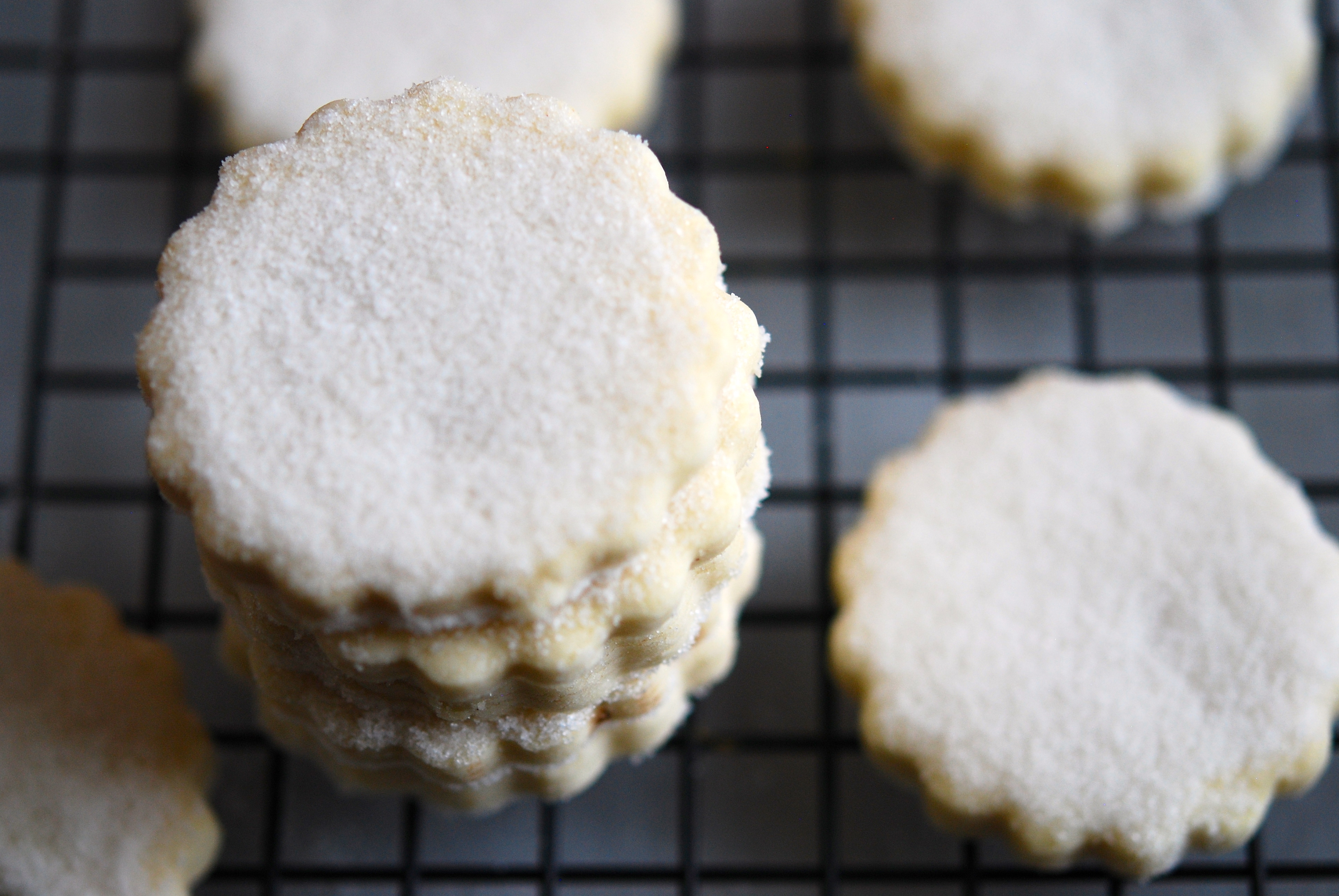
And who doesn’t love an authentic Irish Shortbread Biscuit? With the addition of some gorgeous crystalised ginger, they’re perfect this time of year with a freshly brewed cup of tea. The recipe may be found here.

DSC_0410

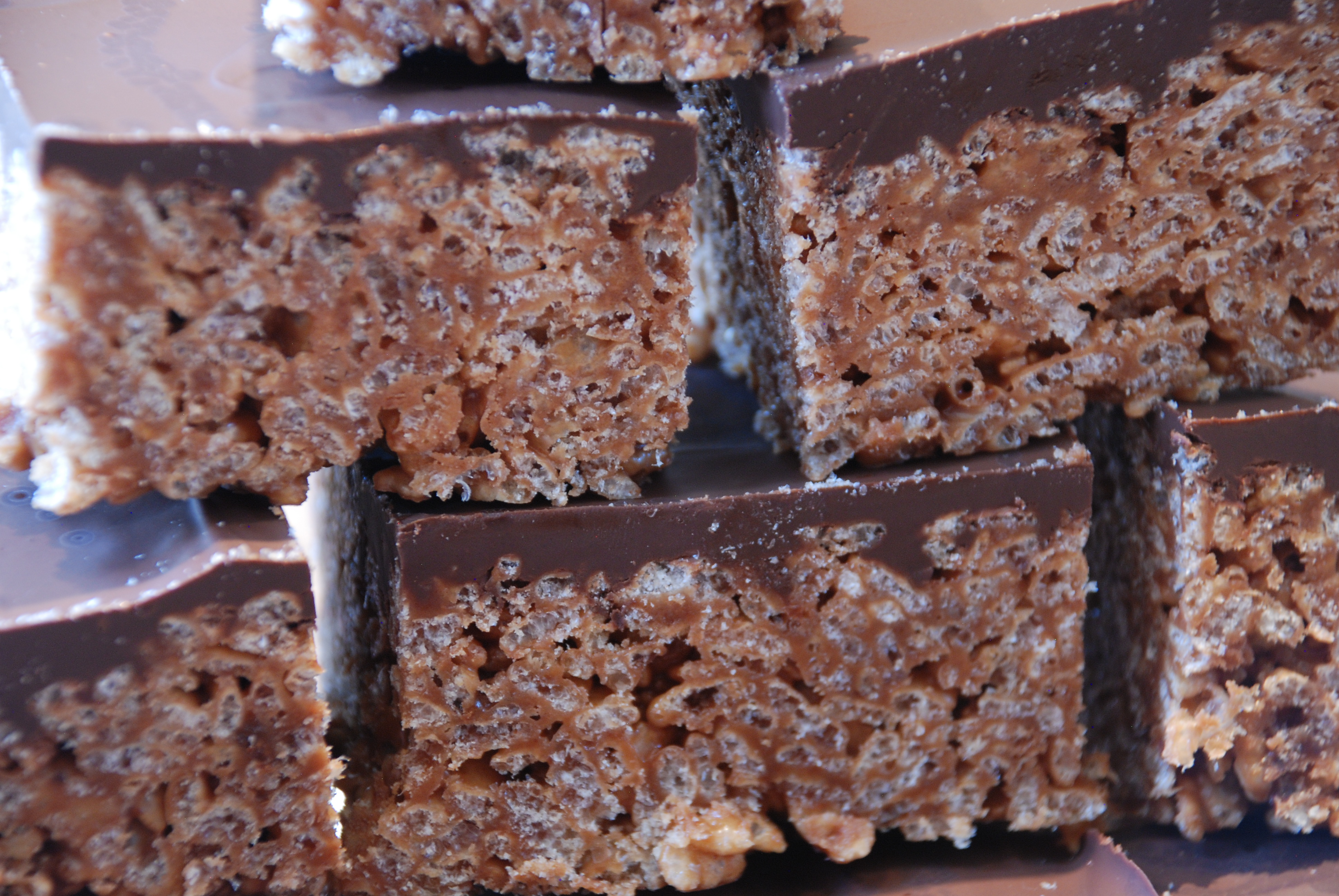
Once tasted, I dare anyone to say they don’t love these Irish Mars Bars treats! Not only are they incredibly “moreish”, they are super easy to make. Even better, there’s no baking required. The recipe, posted at In an Irish Home, may be found here.

DSC_0048

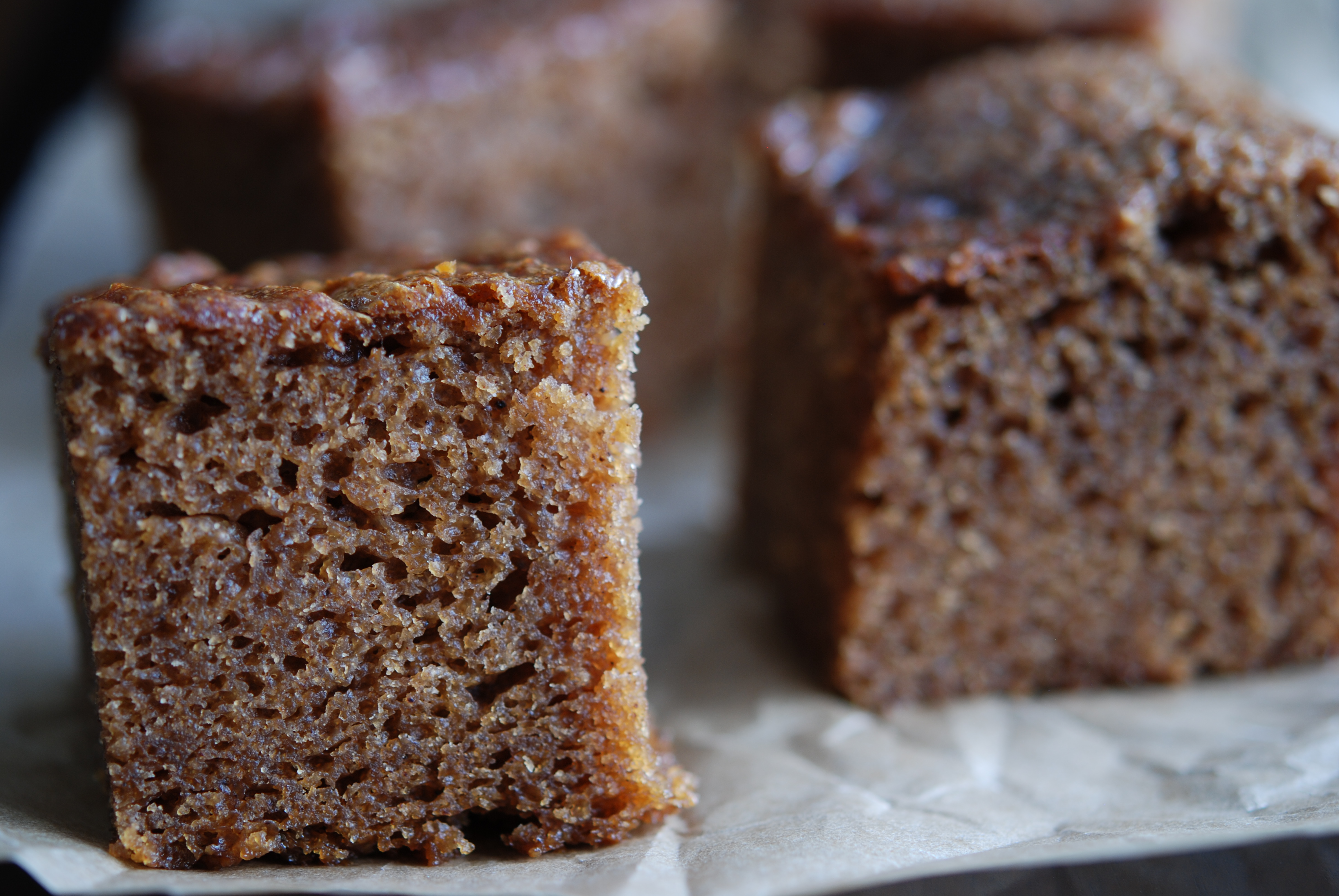
Guinness Gingerbread is something we can’t get enough of in our Irish home. The ginger, cinnamon, cloves and nutmeg really smell like Christmas. Wrapped simply in some parchment paper and tied with a festive red bow, this is the perfect Irish edible gift.

DSC_0010

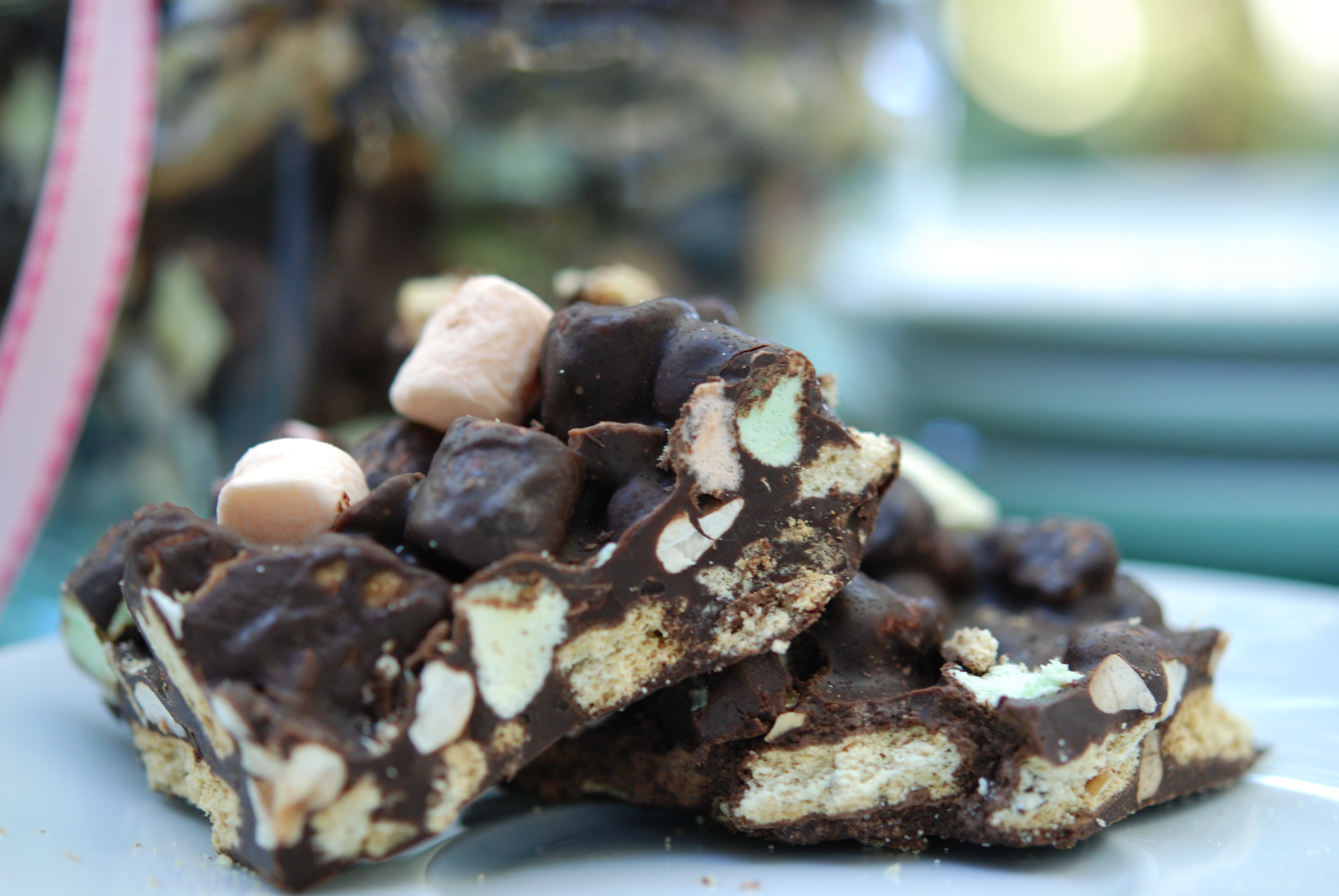
And finally, these Rocky Road Biscuits, which I first shared with you two years ago, are totally delicious and give off a real Christmas vibe if you grate in a bit of orange zest and top with a drizzle of melted white chocolate. They are an Irish childhood favourite and sure to be enjoyed by whomever you make them for.

Now, with less than a week to go before Christmas day, we wish you and your loved ones some very happy times in the kitchen ~ slan abhaile!

Dan McGuire’s Irish Cream Liqueur

Ingredients

14oz condensed milk

14oz evaporated milk

1 1/2 teaspoon coffee essence (or 1 teaspoon instant espresso)

1 teaspoon glycerine

6oz/3/4 cup Irish whiskey

Directions

1. Mix all the above ingredients in a large measuring cup and stir with a small whisk until well blended.

2. Put into clean, sterilised, glass jars, close and store in the fridge.

Related Articles:

Darina Allen’s delicious homemade edible gift ideas here.

Donal Skehan’s blog post on edible Christmas gives may be read here.

This Irish Times article on edible gifts from 2011 is still very useful.

An Edible Ireland blogpost on Chocolate Bark with Almonds & Candied Bacon was reviewed at I Can Has Cook? These are two great Irish food blogs!

Ireland’s Catherine Fulvio, of Ballyknocken House, offers this Almond Liqueur recipe and delicious brownie recipe to her readers this year.

Check out those free, downloadable, gifts tags here and here and here to use with your homemade edible gifts.


Read Full Post »

Mincemeat pies. If there’s anything that says Christmas in our Irish home it is these buttery-rich, sweet, MEAT-less wonders. Yes…it is somewhat confusing…meat is right there in the name…but these lovely treats are absolutely, positively, meat free. I know this because I’ve eaten my fair share! How could I not? Bite-sized deliciousness served on a plate with a dollop of boozy cream…who could resist?

A quick Google search on the history of mincemeat pies shows that they were once, a long time ago, an entirely different dish. Around since the 11th century, mince pies first became popular in British kitchens in the 1700s. Back then there was chopped beef or mutton in them, along with dried fruit and warm spices like cinnamon, nutmeg and cloves. Rich and savoury, they were a main course dish and not an after dinner pudding or tea time treat.

It wasn’t until the 18th century, when “cheap sugar arrived from slave plantations in the West Indies”, that the mince pie we know and love today was created. Sweet trumped meat and now the only animal protein you’ll find in a modern mince pie is beef suet, a raw fat found around the kidneys and joints of a cow or mutton ~ though increasingly even it is being left out by bakers who are sensitive to animal products in their diet.

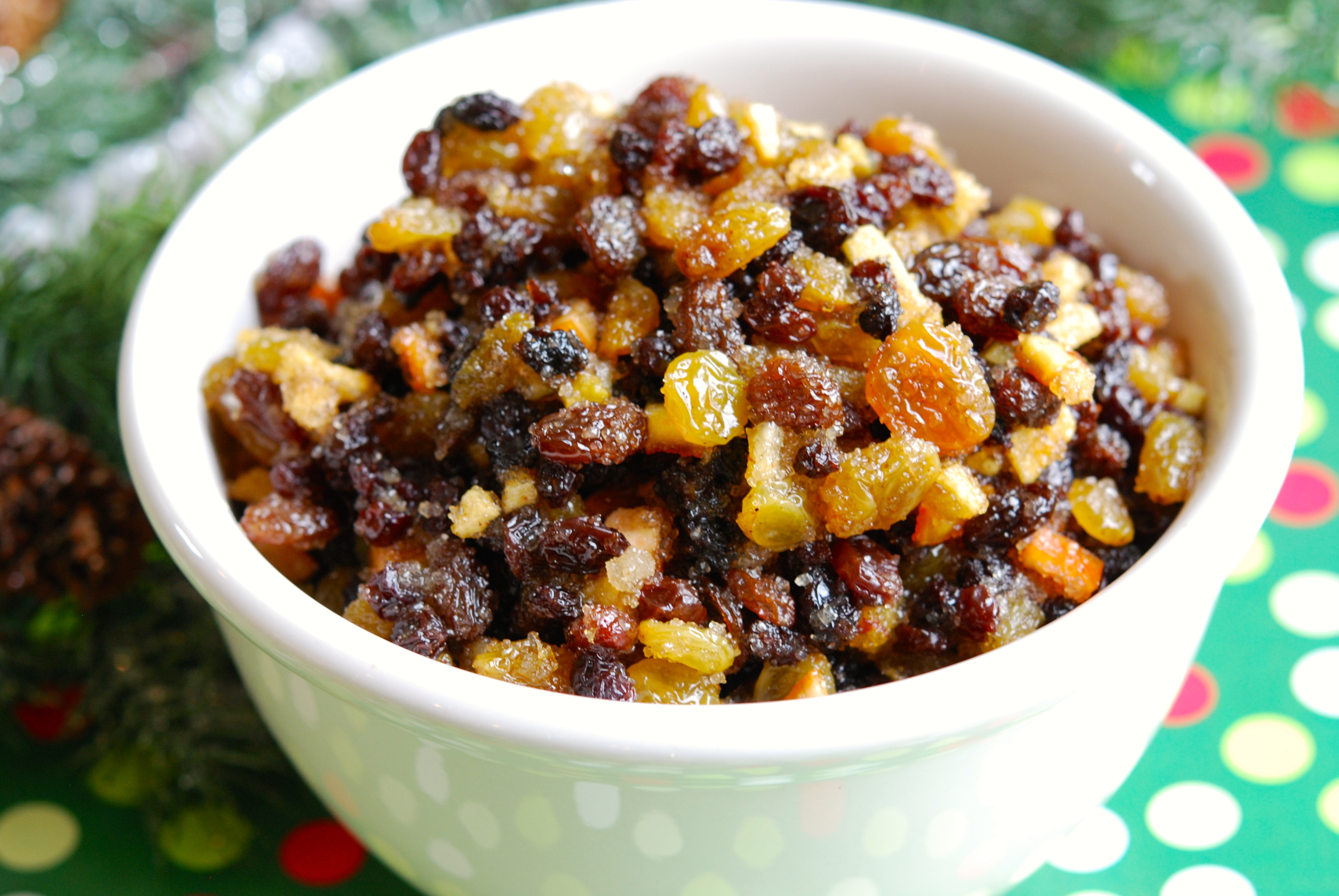
Irish Mincemeat


In Ireland, mince pies make their appearance in shops, bakeries, and holiday markets in early November. Truth be told, my favourite store-bought pies come from Avoca HandweaversButler’s Pantry and Cavistons in Glasthule, though Lidl, Aldi and Dunnes make nice ones too. Very few of my Irish friends go to the trouble of making them. Even my lovely sister-in-law, Rosie, spends her pre-Christmas time in the kitchen making her family-famous Christmas pudding, rather than making mincemeat pies.

But for those die-hard Christmas types like myself, it’s really a straight-forward, and dare I say “fun”, process. The only two things you really must do to ensure the end result is worth the effort is: 1) make your own candied peel (easy-peasy); and 2) make the mincemeat far enough in advance (two to six weeks is about right) to allow the alcohol, fruit, and sugar mixture to fully mature.

Mincemeat pies are best served out-of-the-oven-warm, with a generous spoon of freshly whipped, and dare I say “whiskey-laced”, cream, but they are also very good at room temperature a day or two later too. On its own, mincemeat is wonderful mixed into vanilla ice cream, may be added to home-baked apple or pear tarts, served over yoghurt, or tossed into a fresh fruit salad. And, finally…if you’re looking to give homemade Irish Christmas gifts this year…a beribboned jar of handmade mincemeat (or candied peel for that matter) would be positively lovely.

Happy Christmas!

Mincemeat

(makes 10 cups)

Ingredients

8oz/300gm/2 cups sultanas

8oz/300gm/2 cups currants

4oz/150gm/1 cups raisins

6oz/200gm/1 1/2 cup candied peel

600gm/3 cups muscavado or dark brown sugar

2 cooking apples (or green apples), peeled, cored and coarsely grated

zest and juice of 2 organic lemons

6oz/3/4 cup of Irish whiskey

1lb/450gm beef (or vegetable) suet*

1 teaspoon of pre-mixed cinnamon, nutmeg and cloves (also known as mixed spice)

a pinch of salt

Directions

1. Combine all the ingredients into a large bowl and mix well.

2. Put the ingredients into sterilised jars, cover and leave two to six weeks to mature, stirring once a week.

3. Use what you need and keep the rest in a cool, dark place for up to a year.

* If you’re making mincemeat to give as gifts to be used on muesli or ice cream, leave out the beef suet.

Ballymaloe Mince Pies 

(Makes 20-24 Mince Pies)

Ingredients

225g (8oz) plain flour

175g (6oz) butter, chilled and cut into cubes

1 dessertspoon icing sugar, sieved

a pinch of salt

a little beaten egg or egg yolk and water to bind

1lb mincemeat (to see Darina’s mincemeat recipe, please see link below)

egg wash

Directions
1. Sieve the flour into a bowl.

2. Toss the butter into the flour and rub it in with your fingertips.

3. Add the icing sugar and a pinch of salt.

4. Mix with a fork as you gradually add in the beaten egg (do this bit by bit because you may not need all of the egg), then use your hand to bring the pastry together into a ball. It should not be wet or sticky.

5. Wrap in cling film and refrigerate for 1 hour.

6. Preheat the oven to 180c/350f/gas mark 4

7. Roll out the pastry until it’s quite thin – about 3mm (1/8 inch) Stamp into rounds 7.5 (3 inch) in diameter and line shallow bun tins with the discs.

8. Put a good teaspoonful of mincemeat into each tin, dampen the edges with water and put another round on top.

9. Brush with egg wash and decorate with pastry leaves or stars.

10. Bake the pies in the preheated oven for 20 minutes approx.

11. Allow them to cool slightly, then dredge with icing or caster sugar. Serve with Irish whiskey cream (or brandy butter.)


Notes, Related Articles & Credits:

A fun article about six Northern Irish brothers who make 20,000 mincemeat pies a day at this time of year.

Here’s a brief history of mincemeat pies.

Looking for some other Irish Christmas fun facts? Check out this blog post.

Irish Central always views Ireland from a slightly more cynical/humorous lens, but I like it. Check out their Christmas post for 2014 here.

In 2004, Darina Allen posted recipes for a nostalgic Irish Christmas meal. You can find it here but, be warned, it’s not for the faint of heart. The list of dishes is incredibly long.

The beautiful photo at the start of this posting is from Getty Images. It was taken by David Cordner. I would have used my own photo, except I haven’t made my mince pies yet because the mince is still marinating and Mr. Cordner’s photograph is incredibly beautiful!

Read Full Post »

Food. Glorious food. It’s everywhere: on our tellies, in the super market, at the farmer’s market, in our village shops. It’s even at the petrol station, in our cars, at the airport, in the books and magazines we read, on the radio, and in the malls we frequent. We are surrounded by food twenty-four-seven. Is it any wonder obesity is on the rise? In our parent’s and grandparent’s day, food was less readily available. It was also more cherished…particularly in Ireland.

There were no big-box supermarkets around when my in-laws were raising their twelve children. When Dada wanted a box of fruit or veg he either picked from his own back garden or he went into town (Dublin) and bought from street vendors. My husband can still remember vendors crying “Apples…six for a pound!” in their sing-song voices and “Get your chicky charlies…if you don’t wan ’em don’t mall em.” (Whatever that means!) Food was so beautifully simple then.

Today, not only is food more readily available, but we are bombarded with a multitude of food debates. Here are just a few that have been in the press recently:

Should we eat a plant-based diet or a meat based diet?

Is it better to buy organic or local?

Are grass-fed animals really healthier than corn-fed animals?

Should we drink/eat raw or pasteurised dairy products?

Is it ok to eat genetically modified foods or should we avoid them?

Which oil is best to cook with: olive, canola, vegetable or coconut?

Wild fish or farmed…other than the price, does it really matter?

Omega 3, 6, 9 and nutritional supplements…should we get our vitamins and minerals through food or pop vitamins?

Farmers market, village shop or super market…where should I do my shopping?

How much water am I supposed to drink every day?

Is your head swimming? Mine is! Food isn’t just overwhelming us, it’s exhausting us. As the mother of a busy family, I crave simplicity. I’m going to guess that you do too. So, where food is concerned, I am following these three simple rules:

Eat Real Food First.

Grow What We Can.

Eat Food in Season.

The first rule (Eat Real Food First.) involves eating a cleaner, healthier, diet before we eat rubbish. Real Food is the food our parents and grandparents gravitated towards…you know…food made with ingredients you can pronounce, food that has not been created in a laboratory. Eating Real Food means staying clear of anything “highly processed”. Real Foods are not low-fat, made with artificial sweeteners, bought in a takeaway or petrol station, bleached, or covered in sugar. They are foods made from a limited ingredient list and are found in nature. Once we’ve made a meal of Real Food, I don’t mind if we slip in some ( less wholesome) treats.

The second rule (Grow What We Can.) involves getting back to nature. In the beginning I started with just a few pots of herbs on the windowsill. When we moved to our home in the country, I created an organic culinary garden, where we grew tomatoes, potatoes, apples, pears, salads, herbs, rhubarb, berries, and other easily grown edibles. It has been a real pleasure watching my children go into the garden and pick food straight from a plant and eat it. I always know that when we take food straight from a plant and eat it we are getting all the nutrients provided by the sun and the rain and the soil.

The third rule (Eat Food in Season.) ensures we eat a large variety of food items throughout the year, which does two things: 1) increases our nutrient intake; and 2) ensures we eat a more broad range of foods. Before following this rule, my family might have eaten the same (limited) fruits, vegetables, and meats week in and week out for months on end. Now that we eat more “seasonally”, I find we eat foods we wouldn’t consider before and these “new” foods have nutrients that beautifully correspond to our body’s seasonal needs. Take, for example, Brussels Sprouts. These little cabbages are higher in Vitamin C than a glass of orange juice and are at their peak exactly when cold and flu season is at its highest and the body is looking for more Vitamin C to support the immune system. If you roast them in the oven with olive oil, salt and pepper, you’ll find they become naturally sweet. In our Irish Home, I have Brussels Sprouts in the fridge all winter and the family pop them like little treats!

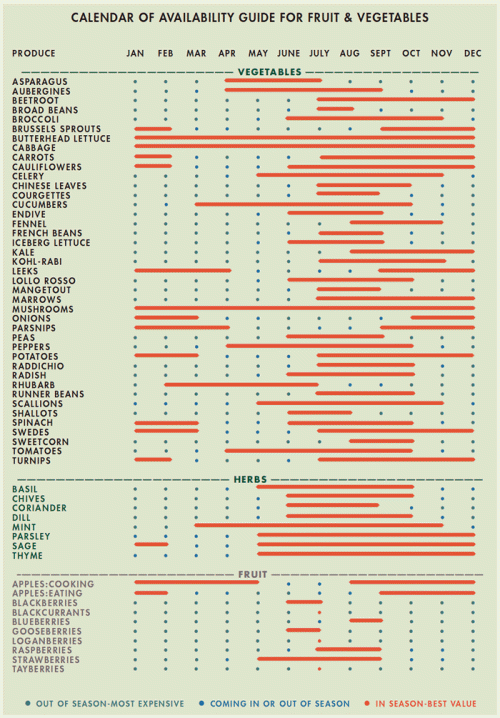
To help my family follow these three food rules, I keep a copy of Bord Bia’s Calendar of Availability Guide for Fruit and Vegetables taped to the inside of the cupboard where I keep my collection of cookbooks. It’s a handy reminder of what I to cook and feed my family and it helps me know what to plant in our garden throughout the year. If you have trouble distinguishing the blue from the green dots, print out a copy of the Guide: it’s easier to see the difference.

availability_guide

So, as we say goodbye to spring/summer foods and hello to autumn/winter foods, I say let’s all move toward a simpler, healthier, more varied way of eating. Join me…won’t you?… and let’s share the joy of trying new foods together.

Related Articles:

Bord Bia’s (the Irish Food Board), Best in Season article here http://www.bestinseason.ie/about-us/

Here’s another good seasonal food chart: http://www.greatfood.ie/item_display.asp?cde=3&id=521

Michael Pollan’s article Six Rules for Eating Wisely here http://michaelpollan.com/articles-archive/six-rules-for-eating-wisely/

Here’s a family that made Real Food a priority for 100 days and wrote a book (and successful blog) about the experience.

Follow blogger Trevor Sargent over at Trevor’s Kitchen Garden for tips about how to grow your own foods.

Darina Allen says GIY (Grow It Yourself) is one of the most important initiatives to come out of Ireland in last 20 years.

For a list of Irish Farmer’s Markets, look here: http://www.bordbia.ie/consumer/aboutfood/farmersmarkets/pages/default.aspx

Irish Farmer’s Market website at http://irishfarmersmarkets.ie


Read Full Post »

Irish Elderflower Cordial

At this time of year the hedgerows around Ireland are full of pink and yellow and white blossoms that are so very fragrant. It’s an absolute pleasure to walk around small country roads just to take in their lovely sweetness.

One flower in particular, the Elderflower, has me captivated. Growing like lace caps on a bushy green {and sometimes very tall} shrub, these gorgeous little flowers can be brewed with the simplest of ingredients to make a cordial (flavoured syrup) that is refreshingly delicious.

You may think it takes ages to make Elderflower cordial but it doesn’t. Five minutes or less picking the blooms and another five in the kitchen doing a bit of work, plus an overnight sitting under the canopy of a clean tea towel, and you’re done. Easy-peasy.

Elderflower cordial is a summer time staple in our Irish home. I am sure it will be the same in your home once you give it a try.

Wild Irish Elderflower Cordial

Ingredients

10-15 elderflower sprays, pick on a dry day and stay clear of plants close to the ground or in high trafficked areas

1 litre cold water

2lbs caster sugar

1 lemon sliced, skin scrubbed clean first

2oz citric acid (available at a chemist (pharmacy/drugstore)

Directions

1. After picking the elderflower sprays, turn upside down and give them a good sturdy shake to remove any bugs. Next, pick off any leaves, cut down the stems, and bring into the kitchen.

2. Put the water into a small saucepan and bring to a boil. Add the sugar and stir with a spoon until completely dissolved. Allow to cool to room temperature.

3.  Pour the sugar water into a large bowl. Add the elderflower sprays. Zest the lemon and add to the bowl. Slice the lemon and add to the bowl. Push the flowers and lemon slices under the sugar water and stir. Cover the bowl with a clean tea towel and leave for 24 hours.

4. Strain the mixture through a clean muslin cloth. At this point you may add the optional citric acid. Pour into a clean bottle, seal, and keep in the fridge until ready to use. We prefer a 1:6 ratio of elderflower cordial to sparkling water but you can serve it at whatever strength you prefer.

Notes: This cordial would be lovely added to a tall glass of crisp Prosecco, sparkling wine, gin or vodka.

Read Full Post »

Not every day is a good day In an Irish Home. Some days are average, some days are not so great, and some days are dreadful enough that we need a bit of heavenly help to make it through the hours.

Yesterday was one such day: a close family member was in hospital having surgery and, well, you know yourself, no operation is without its possible complications so there was a good deal of worry going round. While the clock ticked away quietly in the background and we waited for word from the Professor (surgeon), I did what any good Irish woman does in these situations…I started to pray.

Now don’t get me wrong…I am no Holy woman, or even a good Catholic for that matter, but I do have a strong sense of faith and I pray regularly. For the most part, my prayers are of a conversational nature…”Hello God…it’s me…again!” or “Thank you, Lord, for the parking space near the shop door!” Other times, however, I need the comfort of a traditional prayer or set of prayers to calm my heart and mind and, in those moments, I turn to the old Catholic standby…the Rosary.

To those unfamiliar with the Catholic Rosary, it is an instrument of prayer and mediation. It’s real purpose is to allow a person to mediate on the mysteries of Christ’s life. I, however, like to use the Rosary to centre my mind and bring myself and/or my problems closer to God.

A Rosary consists of four Mysteries (the Joyful, the Sorrowful, the Glorious, and the Luminous), and each of these Mysteries is broken into five “Decades”, representing an event in the life of Jesus. Each Mystery is assigned to a different day of the week. For example: the Joyful Mysteries are prayed  Monday and Saturday; the Sorrowful Mysteries on Tuesday and Friday; The Glorious Mysteries on Wednesday and Sunday; and the Luminous (also known as the Mysteries of Light) on Thursday. Also, as you can see from the diagram below, a Rosary is broken up into various prayers:.

Diagram for saying the Rosary

Diagram for saying the Rosary

To begin praying the Rosary, one starts by making the Sign of the Cross (saying “In the name of the Father, and the Son, and the Holy Spirit. Amen.”) and then reciting the Apostles’ Creed. Next, one prays the Our Father, three Hail Marys, and a Glory Be to the Father on the beads connecting the crucifix (cross) to the rest of the beads. Then begin the Mysteries: start by announcing the Mystery, followed by announcing the first Decade of the Mystery. Pray one Our Father, ten Hail Mary’s, and one Glory Be to the Father and follow this with the Fatima prayer. Announce the next Decade and recite the same thirteen prayers (one Our Father, ten Hail Mary’s, one Glory be to the Father, one Fatima prayer again and then do it three more times (for a total of five times). Finally, there is one last Our Father, Hail Mary and  Glory Be, and a concluding prayer of the Hail Holy Queen prayer and the Sign of the Cross.

For anyone interested in praying the Rosary, below I’ve written out the four Mysteries and their Decades, the Fatima prayer, the Hail Holy Queen prayer and an extra prayer to the Hail Holy Queen that my mother-in-law always says when she says the Rosary. And, just to finish off this post, the surgery went well and the patient should be home tomorrow mid-day…thank God!

Prayers of the Rosary

Sign of the Cross: In the name of the Father, and the Son, and the Holy Spirit. Amen.

Apostles’ Creed (your version may be different depending on when you learned it and where you’re from): I believe in one God, the Father Almighty, Creator of heaven and earth; and in Jesus Christ, His only Son, our Lord: Who was conceived by the Holy Spirit, born of the Virgin Mary; suffered under Pontius Pilate, was crucified, died and was buried. He descended into hell; the third day He rose again from the dead; He ascended into heaven, is seated at the right hand of God the Father Almighty; from thence He shall come to judge the living and the dead. I believe in the Holy Spirit, the Holy Catholic Church, the communion of Saints, the forgiveness of sins, the resurrection of the body, and life everlasting. Amen.

Our Father: Our Father, Who art in Heaven, hallowed be Thy name; Thy Kingdom come, Thy will be done on earth as it is in Heaven. Give us this day our daily bread; and forgive us our trespasses as we forgive those who trespass against us; and lead us not into temptation, but deliver us from evil. Amen.

Hail Mary: Hail Mary full of Grace, the Lord is with thee. Blessed are thou among women and blessed is the fruit of thy womb Jesus. Holy Mary Mother of God, pray for us sinners now and at the hour of our death Amen.

Glory Be to the Father: Glory be to the Father and to the Son and to the Holy Spirit. As it was in the beginning is now, and ever shall be, world without end. Amen.

Fatima Prayer: O My Jesus, forgive us our sins, save us from the fires of Hell and lead all souls to Heaven, especially those who are in most need of Thy mercy.

Hail Holy Queen: Hail, holy Queen, Mother of mercy, hail, our life, our sweetness and our hope. To thee do we cry, poor banished children of Eve: to thee do we send up our sighs, mourning and weeping in this vale of tears. Turn then, most gracious Advocate, thine eyes of mercy toward us, and after this our exile, show unto us the blessed fruit of thy womb, Jesus. O clement, O loving, O sweet Virgin Mary! Amen.

Pray for us, O holy Mother of God. That we may be made worthy of the promises of Christ.

Let us pray.

O God, whose only-begotten Son, by his life death and resurrection, has purchased for us the rewards of eternal life; grant we beseech you, that meditating on these Mysteries of the most holy Rosary of the Blessed Virgin Mary, we may both imitate what they contain, and obtain what they promise, through the same Christ our Lord. Amen.

The Four Mysteries and Their Decades

The Joyful Mysteries & Its Five Decades

1. The Annunciation – Mary is visited by the Angel Gabriel and asks her if she will be the Mother of the Saviour.

2. The Visitation – Mary visits her cousin Elizabeth who says, “Hail Mary, full of Grace, the Lord is with thee.”

3. The Nativity – Jesus is born.

4. The Presentation – Mary and Joseph present Jesus at the Temple after his birth to present him.

5. The Finding in the Temple – Mary and Joseph find Jesus in the Temple discussing his faith with the Elders.

The Sorrowful Mysteries & Its Five Decades

1. The Agony in the Garden – The thought of our sins and His coming suffering causes the agonizing Savior to sweat blood.

2. The Scourging at the Pillar –  Jesus is stripped and scourged until His body is one mass of bloody wounds.

3. The Crowning with Thorns – Jesus’s claim to kingship is ridiculed by putting a crown of thorns on His head and a reed in His hand.

4. The Carrying of the Cross – Jesus shoulders His own cross and carries it to the place of crucifixion while Mary follows Him sorrowing.

5. The Crucifixion – Jesus is nailed to the cross and dies after three hours of agony witnessed by His Mother.

The Glorious Mysteries & Its Five Decades

1. The Resurrection –  Jesus rises from the dead on Easter Sunday, glorious and immortal, as He has predicted.

2. The Ascension – Jesus ascends into Heaven forty days after His resurrection to sit at the right hand of God the Father.

3. The Descent of the Holy Spirit – Jesus sends the Holy Spirit in the form of fiery tongues on His Apostles and disciples.

4. The Assumption – Mary, having completed the course of her earthly life, is assumed body and soul into heavenly glory.

5. The Crowning of Mary – Mary is crowned as Queen of heaven and earth, Queen of angels and saints.

The Luminous (also known as the Mysteries of Light) & Its Five Decades

1. Baptism in the Jordan – God proclaims that Jesus is his beloved Son.

2. Self-manifestation at the wedding of Cana – At Mary’s request, Jesus performs his first miracle.

3. Proclamation of the Kingdom of God, with His call to conversion – Jesus calls all to conversion and service to the Kingdom.

4. The Transfiguration – Jesus is revealed in glory to Peter, James, and John.

5. Jesus’ institution of the Eucharist – Jesus offers his Body and Blood at the Last Supper.


Related Articles: 

To hear the Rosary said in Irish, please go to Coróin Mhuire

The Rosary in Irish (Gaelic) over at Catholic Online

Rosary ideas for kids on Pinterest here

The Rosary as a Tool for Mediation at Loyola Press

How to Say the Rosary at EWTN

Read Full Post »

“What is a traditional Irish meal for St. Patrick’s Day?”…this is the number one question I’m being asked right now at In an Irish Home. Unfortunately, to all of you who are looking for me to come back with the answer, “corned beef and cabbage with a side of boiled potatoes”, I’m sorry to disappoint. The truth is, in Ireland, there is no one particular or “traditional” meal served on Paddy’s Day.

In Ireland, despite the current trend of big parades and festivities, which are really about bringing in income for the exchequer, St. Patrick’s Day is still a holy day of obligation. The country’s bishops have urged people right across the land to remember that the faithful must attend Mass. {Personally, I think this makes for an excellent message going out from Ireland to faithful people wherever they call home. I prefer it to the message, “drink excessive amounts of green beer and get drunk in honour of our patron Saint and the ancestral homeland”…but that’s for another day.}

ShamrocksIn Ireland many will go to mass in the morning, where they may receive a clutch of blessed shamrocks, and head home before spending a few hours at their local parade. Those daring to brave the crush of revelers in Dublin will head into town for our biggest national parade, which will see people from all over the world in attendance sporting some sort of green attire and cheering for marching bands and festive floats. The pubs and bars will spill over with colourful cheer and in villages across the island homemakers will be putting a regular ol’ meal on the table for supper.

In our Irish home this year, I will be serving Shepherd’s Pie as a main course for St. Patrick’s Day, with a big green salad on the side.  I love this dish because it’s an easy-to-make casserole that I can prepare a day or two ahead of time and then pop into the oven for a short while just before we’re ready for our tea (dinner).

DSC_0288Traditionally, Shepherd’s Pie is made with lamb but it is equally delicious when made with minced beef (hamburger meat) . Some people put peas and/or carrots into it…some don’t. I put beans in mine for extra texture. It’s really up to you what you do with it. I’ve even seen vegetarian Shepherd’s Pie that looks amazingly yummy {but I have yet to make one…another blog, perhaps.}.

For our pudding (dessert) I will be serving the Guinness Gingerbread my family love so. On Paddy’s Day, I will top it with a sprinkle of icing (powdered) sugar, freshly whipped cream, and a drizzle of Guinness Caramel Sauce. I promise to post the Guinness Caramel Sauce recipe later today or first thing tomorrow morning.

If you want to round this meal out and make it even more “traditional” Irish, you could serve adults a pint of Guinness with the Shepherds Pie (the children could have Rock Shandy, a non-alcoholic drink that is usually half lemon soda, half orange soda), and then serve the adults an Irish Coffee after their pudding (dessert), perhaps with a lovely selection of Irish cheeses.

No matter what you choose to serve on Saint Patrick’s Day, I offer you and yours this gentle blessing:

“May good luck be with you wherever you go…and your blessings outnumber the shamrocks that grow!”

Shepherd’s Pie

Serves 4-6

Ingredients

1 ½lbs/675g mince lamb or beef

1 large onion, chopped

3 tablespoons olive oil

1/2 red bell pepper, cored, seeded and diced

400g/1 can red kidney beans, drained

400g/1 can chopped tomatoes, drained but reserve the juice

1 heaping tablespoon tomato purée/paste

juice of 1/2 lemon

salt and pepper to taste

2 ½lbs/1,200grams potatoes, peeled and quartered

¾ cup/6oz milk (and a little extra if needed)

4 tablespoons butter, melted

1-2 teaspoons cornflour (cornstarch), if needed

Directions

1. Pre-heat oven to 350°F/180°C.

2. Place potatoes in medium saucepan; add water to just cover. Bring to boil over high heat. Reduce heat to medium-low and simmer until potatoes are soft and tip of paring knife inserted into potato meets no resistance, 10 to 20 minutes. Drain potatoes and return to saucepan. Place saucepan on low heat and cook, shaking pot occasionally, until any surface moisture on potatoes has evaporated, (about 1 minute). Remove pan from heat and mash potatoes well. Stir the melted butter and milk into the potatoes. Season with salt and pepper to taste. Add more milk or melted butter if potatoes seem a bit too thick. Cover and set aside.

3. Meanwhile, heat the olive oil in a heavy saucepan (pot) over medium. Add the onion and cook for about five minutes. Add the red pepper and cook until the onion is softened slightly but the red pepper is still crunchy. (For those who wish, you can substitute carrots for the red pepper.)

4. Add the mince lamb or beef, kidney beans, drained tomatoes, tomato purée, and just enough of the reserved tomato juice to moisten well. Add the lemon juice and season with salt and pepper to taste. Cover and simmer until all the ingredients are cooked through, about 10-15 minutes. Stir occasionally with a fork and break up any meat chunks. (For those who wish, now is the time to add ½ cup/2oz peas.) If your mince mixture is quite wet, add cornflour one teaspoon at a time to absorb the excess liquid. Mix well.

5. Transfer the mince lamb (or beef) mixture into a pie dish (baking dish or Dutch oven) and cover entirely with an even layer of the mashed potato. With a spoon, seal the edges of the potato to the top of the mince so it doesn’t bubble up and ruin the look of the potato while in the oven. If you’re in the mood to be fancy, score the mashed potatoes with the tip of a spoon (the back tip) to make a wavy pattern.

6. Reheat in the oven until the potato becomes crusty and golden, about 20-30 minutes. Remove and let stand for about 5 minutes before serving.


Related Articles:

A traditional Irish Saint Patrick’s Day here: https://inanirishhome.com/2012/03/14/a-traditional-irish-st-patricks-day/

Irish Coffee and Saint Patrick’s Day here: https://inanirishhome.com/2013/03/27/irish-coffee-and-saint-patricks-day/

St. Patrick’s Day Party Ideas here: https://inanirishhome.com/2012/03/16/st-patricks-day-party-ideas/

What it Really Means to be Irish here: https://inanirishhome.com/2012/03/15/what-it-means-to-really-be-irish/

Enhanced by Zemanta

Read Full Post »

I can hardly believe Valentine’s Day is behind us and we are barreling full-speed towards Lent, St. Patrick’s Day, and Easter.

DSC01314Lent, as you probably know, is just four days away and in our house there is a lot of talk about what each of us is giving up for the next forty days. My husband is going with the Irish “usual”: he is giving up drink. The kids and I have agreed on sugar. By that I mean to say we are giving up minerals (soft drinks), chocolate, ice cream, and all sweets. Furthermore, from Ash Wednesday (5th March) to Good Friday (18th April), I promise to not make any puddings (deserts), biscuits (cookies), cupcakes, cakes or other tasty treats that have sugar…white or brown…as an added ingredient. The exception for all of us, of course, is Saint Patrick’s Day, which is when we Irish get a chance to break the fast of Lent for one day.

There is another form of abstinence that our little family will participate in during Lent and that is giving up meat on Fridays.  According to Catholic Canon Law, a person between the ages of 14 and 59 should abstain from eating meat on Fridays {every Friday throughout the year} in honour of the Passion of Jesus on Good Friday. While most Catholics ignore this rule, many take it up during the season of Lent. In keeping with strict Catholic tradition, we will also not eat meat on Ash Wednesday. To keep us on track, I am putting together a collection of meat-free recipes and will post them as Lenten Challenges: Meat-Free Friday posts for you to enjoy.

Speaking of Ash Wednesday…it’s the 5th of March, which is this Wednesday. It’s the day you see Catholics everywhere walking around with the sign of the cross, made from ashes, on their foreheads. The ashes have had different meanings at different times throughout history. Today is symbolises our baptismal promise to reject sin and profess our faith.

Ash Wednesday is preceded by Shrove Tuesday, which is on the 4th of March this year. “Shrove” comes from the word “shrive”, which means to confess and receive absolution. Shrove Tuesday is, therefore, a day that many Catholics will go to confession at their local church to ask forgiveness for and be absolved of their sins. According to the Dublin Diocese’s education website, “This tradition is very old. Over 1,000 years ago a monk wrote in the Anglo-Saxon Ecclesiastical Institutes: In the week immediately before Lent everyone shall go to his confessor and confess his deeds and the confessor shall so shrive him. ~ Anglo-Saxon Ecclesiastical Institutes”. 

Shrove Tuesday is also known in Ireland as Pancake Tuesday. The significance of the “pancake” is tied up in the religious custom of abstaining from meat, butter, eggs, and dairy during Lent. So that no food would be wasted, Irish families would feast on Shrove Tuesday and use up all the foods that would not keep for forty days. Pancakes use up many of the items Catholics were not allowed to eat during Lent in past times, hence its association with Shrove Tuesday and the start of Lent. Last year, I posted a traditional Irish pancake recipe on this blog: you will find it here.

Trocaire 2014 Lenten Box

Trocaire 2014 Lenten Box

There are so many traditions surrounding Lent, as you can see from above, one of the more modern ones you may not know about if you live outside of Ireland is the Trócaire box. If you don’t know it, the Trócaire box is a small cardboard box used for collecting change. It is given to school age children across the country, who then take it home and fill it over Lent. The money raised goes directly to Trócaire, the official overseas development agency set up by the Catholic Church in Ireland that aids some of the world’s poorest people. The competition amongst school children to have the heaviest box is fierce. Up until recently, we always had to have two boxes in our house to keep the peace. This year’s campaign focuses on the global water crisis and explores water as a social justice issue.

Another modern custom, this one involving technology, is the Irish Jesuit’s online spiritual Retreat for Lent. It is part of the Irish Jesuit’s hugely popular website called Sacred Space. Sacred Space serves five million people annually, from all around the world, by guiding them through ten-minute segments of daily prayer via the computer. While it might seem odd to pray in front of a computer or mobile device, it makes prayer on “the go” or prayer for busy people {isn’t that all of us?} possible.  The theme of this year’s “Retreat for Lent” program is Called to be Saints. It draws inspiration from Saint Paul’s letter to the Romans. There is a pocket-size book, Sacred Space for Lent 2014, to compliment the website. If you are interested, it is available from Amazon and all good bookstores around the world.

DSC_0387And, finally, to round out today’s post on Lenten traditions, there’s one more custom we keep in our home during Lent and that is the baking and eating of Hot Cross Buns on Good Friday. Why they are associated with Good Friday, specifically, is really unknown but some say an Anglican monk placed the sign of the cross on the buns to honour Christ’s suffering on the cross on Good Friday. Nearly everyone is familiar with the old nursery rhyme, “One a penny, two a penny hot cross buns…if you have no daughter’s give them to your sons…One a penny, two a penny, hot cross buns”…but there is also a sweet rhyme for friendship that goes, “Half for you and half for me, between us two good luck shall be”.

I will post my favourite hot cross bun another day for you to try. In the meantime, good luck to you as you begin your season of Lent. God bless.

Related Articles:

Pope Francis’ Message for Lent 2014 at http://www.catholicbishops.ie/2014/02/04/pope-francis-message-lent-2014/

Reflecting on the Lent Season from Loyola Press at: http://www.loyolapress.com/reflecting-on-the-lent-season.htm

Baileys Irish Cream Pancakes with Whiskey Maple Syrup at http://www.college-cooking.com/2013/03/10/baileys-irish-cream-crepes-and-baileys-irish-cream-pancakes-with-whisky-maple-syrup/

Chocolate Stout Crepes with Irish Cream Whip at http://www.countrycleaver.com/2012/03/chocolate-stout-crepes-and-irish-cream-whip.html

Hot Apple and Apricot Crepe recipe from The Wineport  Restaurant in Glasson, Co. Westmeath at http://www.irishheart.ie/iopen24/apple-apricot-crepe-t-7_22_91_186.html

Enhanced by Zemanta

Read Full Post »

Well…we survived Christmas! Did you?

After all the fuss leading up to yesterday and the search for meaning and joy, I’m happy to say that though Christmas was nice enough, today, the Feast of St. Stephen, is particularly enjoyable. With no school or work to go to, no cooking or washing-up to be done, no unwrapping of presents or recycling of paper and boxes to hassle with, we four have been free to enjoy whatever we want. Ahh, the bliss of it!

Our day started with a walk and it is ending with a movie. The in-between hours have been taken up with fun stuff like make-up tutorials, manis and pedis {hey, we’re almost exclusively a house full of women here!}, reading the newspapers, eating leftovers, putting our feet up, and, for me, writing this post.

Anyone who is Irish knows the drill on Stephen’s Day…shopping, eating, relaxing, horse racing, and, if you live in the countryside, a visit from the Wren Boys.

We’ve never been visited by the Wren Boys but I’ve written about this very Irish tradition in books and articles before. My lovely blogger-friend over at A Silver Voice from Ireland has first-hand experience of the custom and wrote about it beautifully here. I’d write more about it but, quite honestly, I wouldn’t do it the justice A Silver Voice has.

The only other St. Stephen’s Day tidbit I’m going to leave you with today is this: St Stephen’s Day, the 26th December, is one of Ireland’s 9 public holidays {also known here as Bank Holidays} occurring each year. Most businesses and schools are closed. Other services, for example, public transport still operate but often with restricted schedules. To see the full list of public holidays in Ireland visit here.

A very happy Lá Fhéile Stiofán {or Lá an Dreoilín} to you and yours!

Related Articles:

A solid history of the tradition of St. Stephen’s Day in Ireland at http://blog.mikerendell.com/?p=564 and http://www.ouririshheritage.org/page_id__70_path__0p4p.aspx and

An Irish Times article on the Wren Boy tradition at http://www.irishtimes.com/news/environment/another-life-wren-boys-herald-tales-of-the-tiny-king-of-birds-1.1631979

A slew of Irish Christmas traditions at http://www.irishfireside.com/enewsletter/1206/1206holidaytrad.htm and http://www.irish-genealogy-toolkit.com/Christmas-in-Ireland.html and http://www.irishcultureandcustoms.com/ACalend/StStephens.html and Top ten Christmas traditions observed by the Irish (PHOTOS) (irishcentral.com) and 12 Christmas Traditions That Are Truly Irish (youthvoiceireland.wordpress.com) and Irish Christmas Traditions (rjegrad.wordpress.com) and An Irish Christmas (inanirishhome.com) and In Ireland the day is one of nine official public holidays. (stairnaheireann.wordpress.com)

Read Full Post »

Hey all you Irish single ladies…if the man of your dreams hasn’t “put a ring on it” yet, then you’re in luck. According to Irish tradition, February 29th (which only falls every four years in what’s known as a “Leap Year”), is the one day when it’s perfectly acceptable for you to propose to the man of your liking.  It seems we have good ol’ Saint Brigid, the female patron saint of Ireland, to thank for this welcomed tradition.

According to legend, Saint Brigid was giving out (complaining) to Saint Patrick way back in the fifth century about how unfair it was for women to have to wait for men to ask for their hand in marriage. Saint Patrick, being the kind man that he was, took pity on the ladies of the day and deemed it acceptable for the women of Ireland to propose in a leap year.

Back to modern-day, actress Amy Adams brought this little known tradition to light in the film Leap Year in 2010 (which incidentally wasn’t a “leap year”). In the film, Anna Brady (played by Adams) travels to Dublin, Ireland to propose to her boyfriend Jeremy on February 29 because, according to Irish tradition, a man who receives a marriage proposal on a leap day must accept it. As it turns out, Anna falls in love with someone else (an Irish man of course) and the two end up living happily ever after on the Dingle Peninsula in Co. Kerry. Such is the stuff of romantic comedies!

If you’ve been waiting for your “happily ever after”, wait no more because today is the day. Take matters into your own hands and pop the question. And, assuming the answer is a resounding “yes”, pop a bottle of bubbly and toast your future happiness with an Irish Black Velvet.

Black Velvets

4 ozs chilled Champagne

4 ozs chilled Guinness Stout

Directions

1. Pour the Guinness Stout into a fluted glass and top it with the Champagne. Serve immediately.

Read Full Post »

« Newer Posts